by Jason Jason | Oct 6, 2026 | Blog for Parents, General, Language
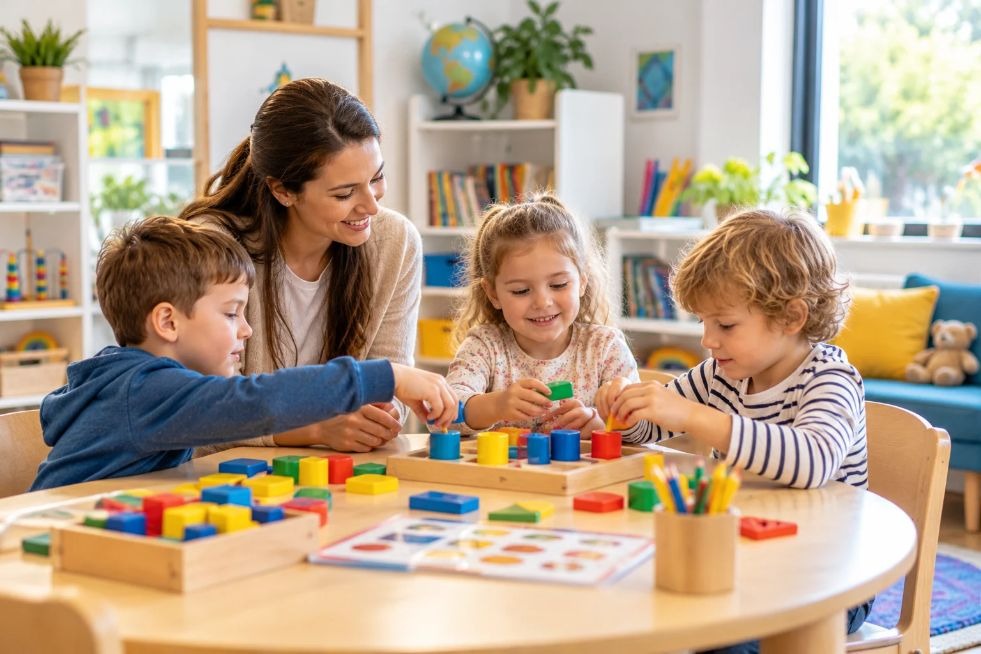
Why School Holiday Programs Are Important for Child Development School holidays give children a welcome break from classroom routines, homework and structured learning. However, they also provide valuable opportunities to practise communication, build friendships,...
by Speech Pathologist Julia | Oct 2, 2026 | Blog for Parents, General, Language
When you bring your child to speech therapy, you might expect the session to get straight into practising sounds, building sentences, answering questions or working on other communication goals. Instead, you might see your speech pathologist spend time playing with...
by Thomas Keppel | Jul 9, 2026 | Blog for Parents, General, Home Practice
When parents observe a speech therapy session, they may notice that the same word, sound, or activity is repeated many times. This can sometimes raise questions such as, “Why are they practicing the same thing again and again?” or “Isn’t my child getting bored?” In...
by Speech Pathologist Elise | Feb 23, 2026 | Blog for Parents, General, Literacy
It can be confusing when a child who seemed to learn to read without difficulty in the early years of school suddenly begins to struggle in later primary or high school. You may notice that they read aloud fluently, yet have difficulty answering questions about the...
by Speech Pathologist Julia | Feb 17, 2026 | Blog for Parents, General, Home Practice, Speech
If your child has difficulty being understood, a speech pathologist may talk about phonological intervention. This means therapy that helps children learn how sounds work in words and how changing a sound can change meaning. Different children need different...
by Speech Pathologist Julia | Feb 2, 2026 | Blog for Parents, General, Speech
When children are learning to talk, it’s normal for their speech to be a bit unclear at first. Many young children simplify words while their speech system is developing. Over time, those patterns usually disappear. But for some children, the way they use sounds is...