Parents are often told to “wait and see” when they notice their child has trouble saying certain sounds. You might hear things like:
- “They’ll grow out of it.”
- “Lots of kids talk like that.”
- “Let’s give it a bit more time.”
While this advice is usually well intentioned, in speech pathology we know that waiting is not always the best option, particularly when it comes to speech sound difficulties. Early support can make a meaningful difference to a child’s communication, confidence, and learning.
What Are Speech Sound Difficulties?
Speech sound difficulties occur when a child has trouble producing speech sounds clearly or accurately beyond the expected age. This might include:
- Leaving sounds out (for example, “ca” for cat)

- Replacing one sound with another (for example, “tat” for cat)
- Distorting sounds, such as a lisp
- Being hard to understand, especially for unfamiliar listeners
Some sound errors are developmentally typical at certain ages, but when errors persist or significantly affect how well a child is understood, support is often needed.
Why “Wait and See” Can Be Risky
Speech Difficulties Affect Everyday Communication
Speech sound difficulties do not only affect how a child sounds. They affect how easily a child can be understood in everyday situations.
For example, a child might ask for “tar” when they mean “car,” leading to confusion or frustration. At childcare or school, educators may frequently ask a child to repeat themselves. Family members may rely on parents or siblings to translate what the child is saying. Over time, some children begin to speak less, avoid longer sentences, or feel upset when communication breaks down.
Early support helps children feel heard, understood, and confident in daily interactions.
Speech Sound Difficulties Can Impact Learning
Clear speech is closely linked to literacy skills, including reading and spelling.
For example, a child who says “tar” for “car” may struggle to hear the difference between these sounds when learning phonics. A child who says “poon” for “spoon” may leave sounds out when spelling. At school, a child may know the answer to a question but hesitate to speak because they worry others will not understand them.
Addressing speech sound difficulties early supports a smoother transition into reading, writing, and classroom learning.
Children Do Not Always Grow Out of It
While some speech sound errors do resolve naturally, many do not without intervention, especially when errors persist beyond expected age ranges, speech is difficult for unfamiliar listeners to understand, or a child shows frustration or avoidance around talking.
For example, a child who is still hard to understand at four years of age may continue to struggle at six or seven, when clear speech is expected in the classroom. At this stage, therapy may take longer and may have a greater impact on a child’s confidence.
Waiting Can Affect Confidence and Social Skills
Children are often very aware when they sound different from their peers.
For example, a child may avoid talking during group time at preschool, allow others to speak for them, or withdraw from play when peers misunderstand their speech. Over time, this can affect confidence, participation, and friendships.
Early support allows children to experience successful communication, which supports positive social interactions and self-esteem.

Early Therapy Is Often Easier and More Efficient
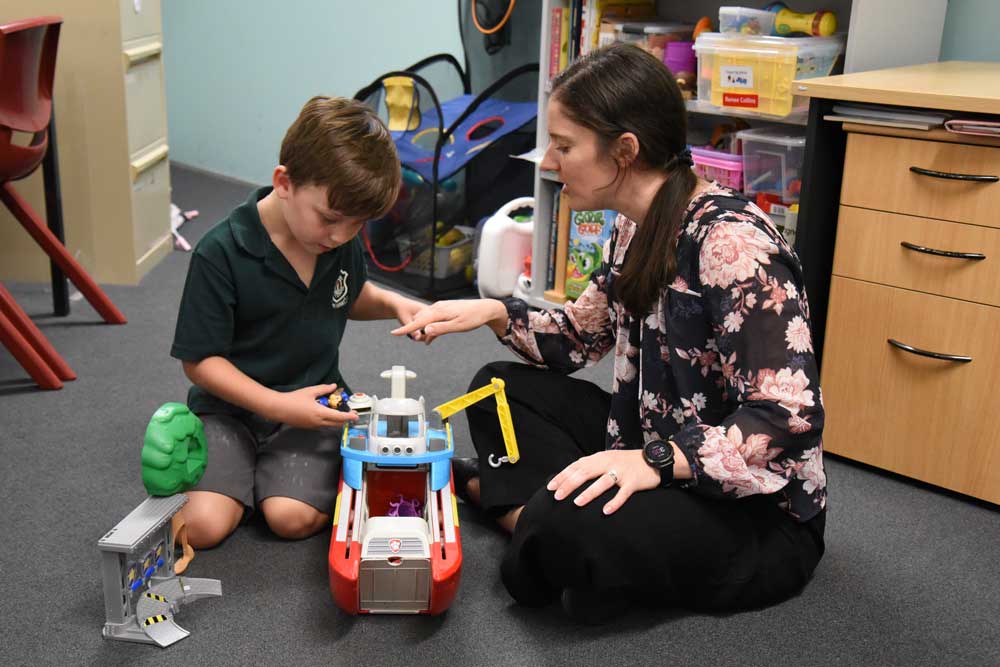
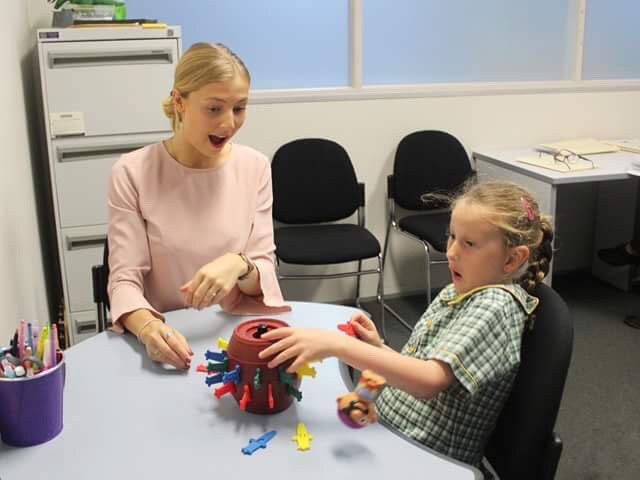
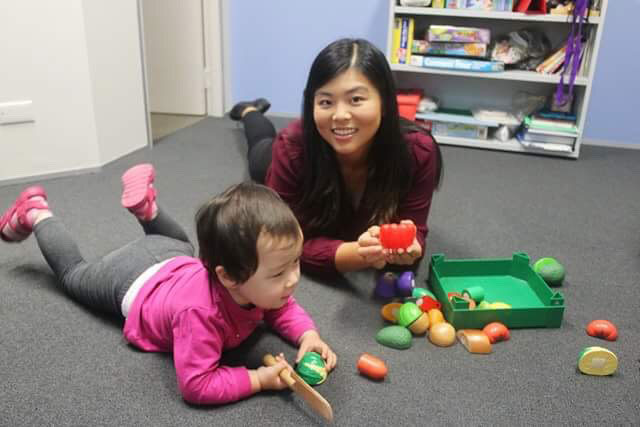
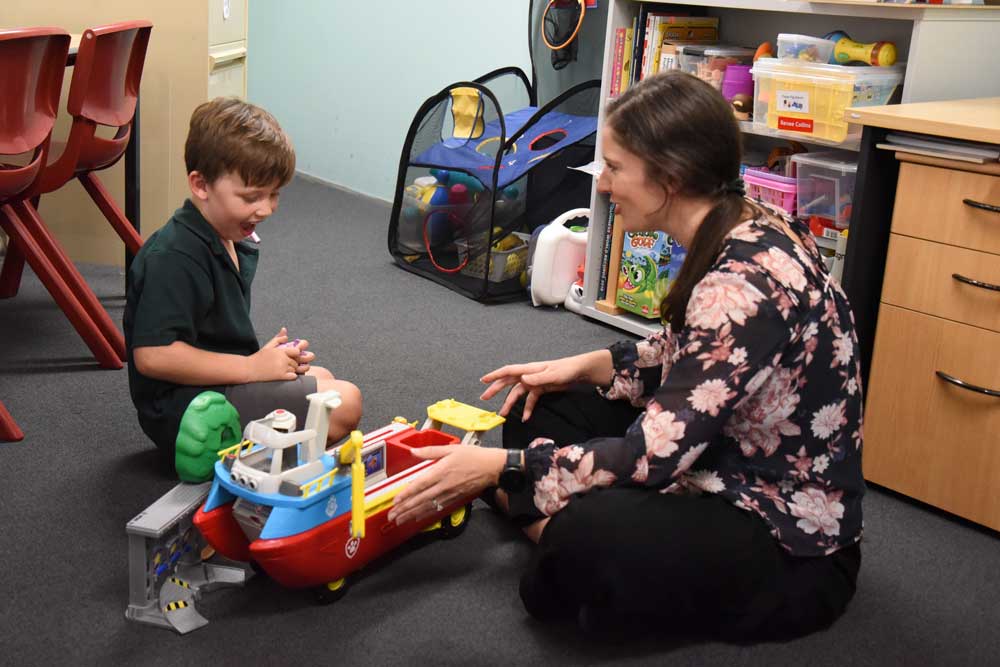
When children are younger, their speech patterns are more flexible, and they are still learning how sounds work. Therapy at this stage can be play based, motivating, and built into everyday routines.
For example, addressing a sound pattern at three or four years of age may involve games, stories, and daily activities. Addressing the same difficulty at eight or nine years of age may require unlearning long established habits, which can take more time and effort.
What About Developmentally Typical Errors?
Speech pathologists do not expect young children to pronounce all sounds perfectly. The key is understanding which sounds are expected at which ages, how many errors are occurring, and how well a child is understood.
A speech pathologist can help determine whether monitoring is appropriate, whether simple strategies at home may be helpful, or whether therapy is recommended. Importantly, seeking advice does not mean committing to long term therapy. It means gaining clear, professional guidance.
What Parents Can Do
If you are unsure about your child’s speech, consider how easily unfamiliar people understand them and whether your child becomes frustrated or avoids talking. Trusting your instincts is important, as parents often notice early signs that something does not feel quite right.
A speech pathology assessment can provide reassurance when development is on track, early support when it is needed, and practical strategies that can be used at home.
In Summary
We do not take a “wait and see” approach to speech sound difficulties because speech affects communication, learning, and confidence. Difficulties do not always resolve on their own, and early support is effective, gentle, and play based. Addressing concerns early can prevent small challenges from becoming more established and supports children to communicate clearly and confidently at home, at school, and with their peers.