When a child struggles with communication, it’s common to hear terms like receptive language and expressive language. While they’re closely connected, they are not the same – and understanding the difference can help families better support a child’s progress.
What Is Receptive Language?
Receptive language refers to the ability to understand language. This includes understanding:
- Words and vocabulary
- Directions (simple and multi-step)
- Questions
- Stories and information
- Grammar concepts (such as tense, plurals, or word order)
In short, receptive language is about what a person understands, not what they say.
Signs of Receptive Language Difficulties
A child with receptive language challenges may:
- Have trouble following directions
- Seem confused when spoken to
- Not respond appropriately to questions
- Struggle to understand stories or classroom lessons
- Appear inattentive when the issue is actually comprehension
These challenges are not related to intelligence – children may be bright and curious but still have difficulty processing language.
What Is Expressive Language?
Expressive language is the ability to use language to communicate thoughts, needs, and ideas. This can include:
- Using words and sentences
- Combining words correctly
- Using appropriate grammar
- Telling stories
- Asking and answering questions
- Using gestures, signs, or AAC (augmentative and alternative communication)
Expressive language is about how a person communicates outwardly.
Signs of Expressive Language Difficulties
A child with expressive language difficulties may:
- Use fewer words than expected for their age
- Struggle to put words together into sentences
- Use incorrect grammar or sentence structure
- Have trouble explaining ideas or retelling events
- Become frustrated when trying to communicate
It’s important to note that a child may understand far more than they are able to express.
How Receptive and Expressive Language Work Together
Receptive and expressive language develop together, but they don’t always develop at the same pace. A child can have:
- Strong receptive language and weaker expressive language
- Difficulties in both areas
- Primarily receptive challenges, which often impact expressive skills
For example, if a child doesn’t fully understand vocabulary or sentence structure (receptive), it can be harder for them to use those words correctly when speaking (expressive).
The Role of Speech Therapy
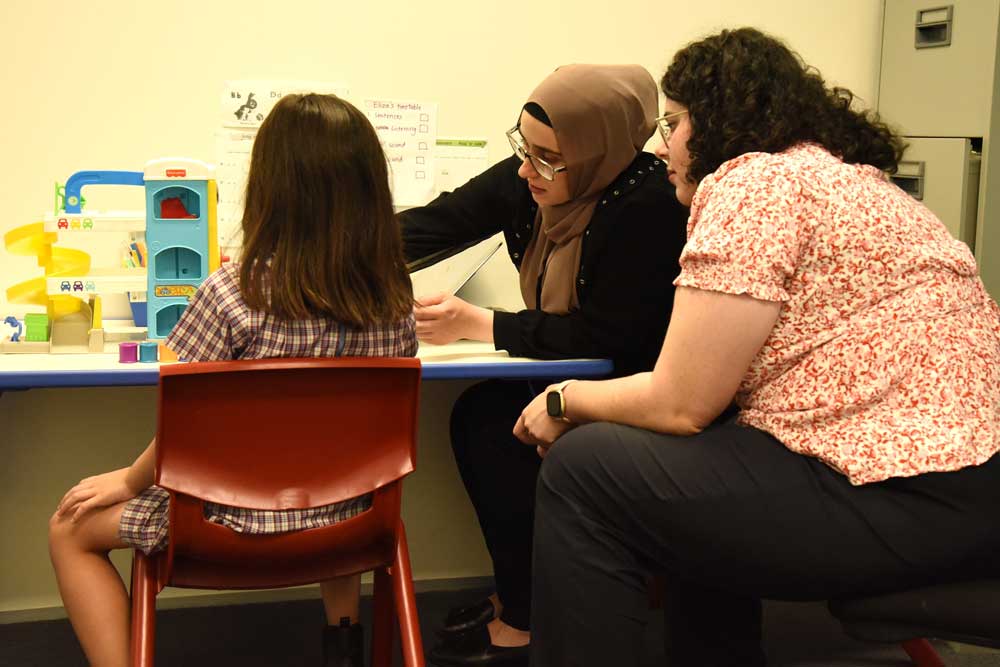
Speech-language pathologists (SLPs) assess both receptive and expressive language skills to determine a child’s strengths and needs.
In Speech Therapy, Receptive Language May Target:
- Understanding vocabulary and concepts
- Answering “wh-” questions (who, what, where, why)
- Listening comprehension

- Understanding grammar in spoken language

Expressive Language Therapy May Focus On:
- Expanding vocabulary
- Building longer, more complex sentences
- Improving grammar and sentence structure
- Storytelling and sequencing
- Using language socially and functionally
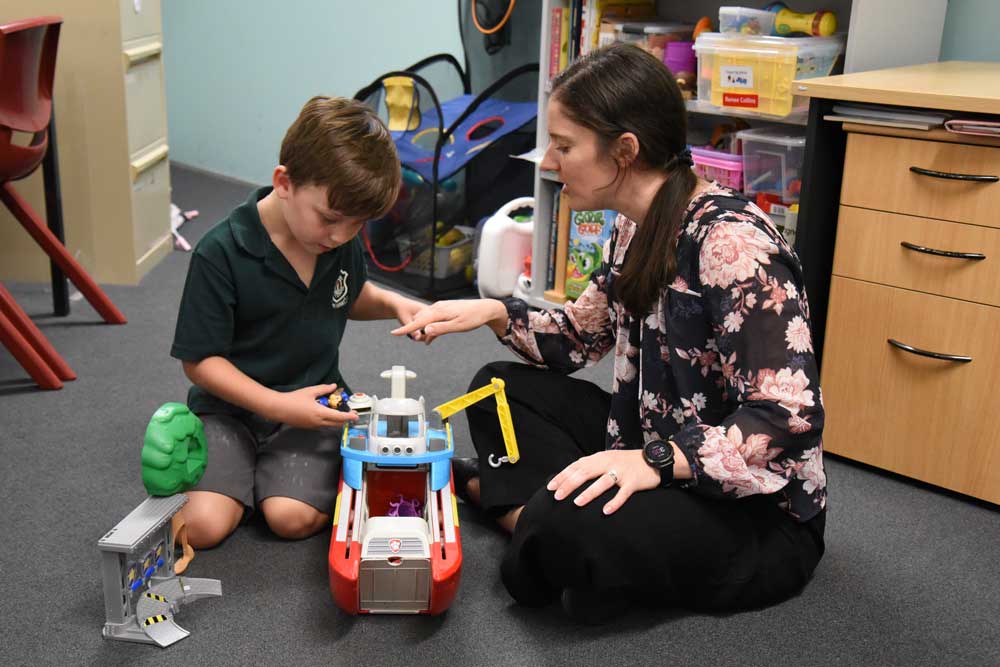
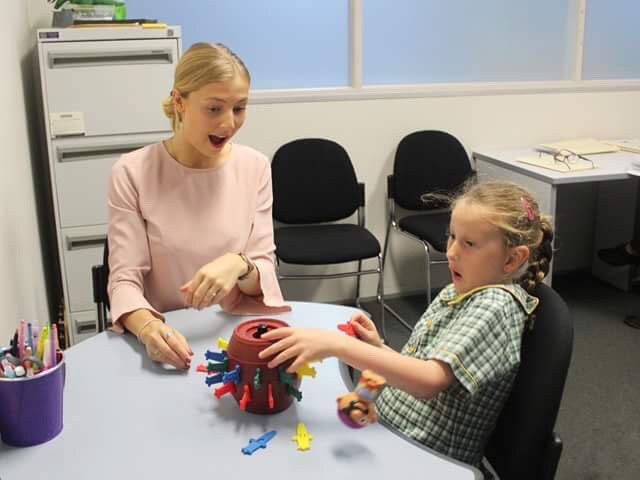
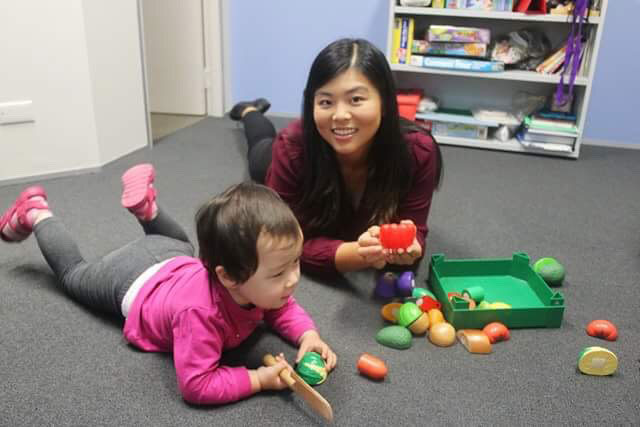
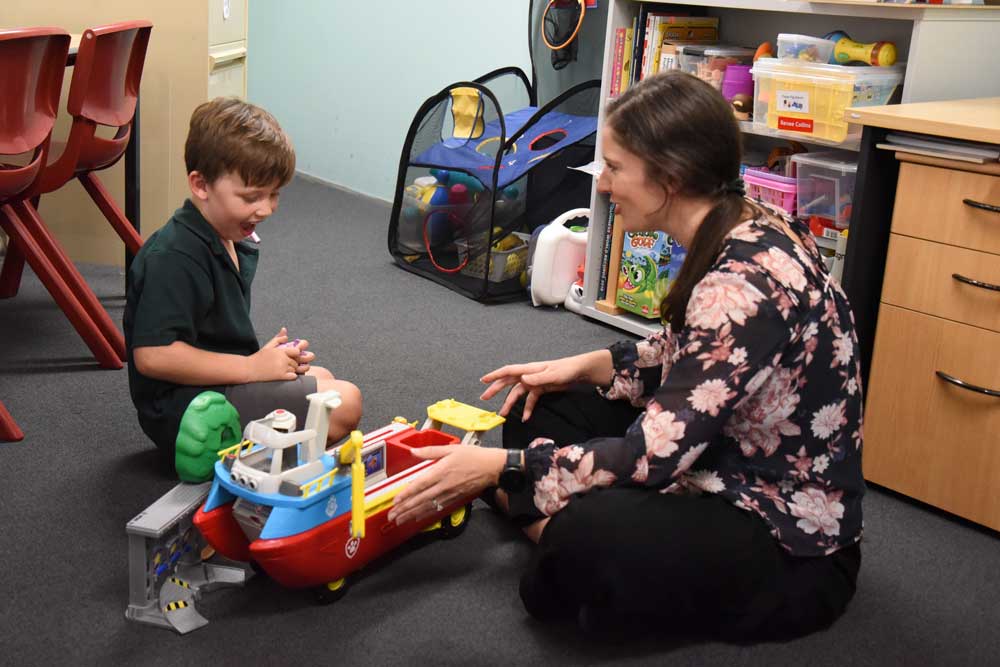
Therapy is always individualized, age-appropriate, and often play-based for younger children.
Why This Distinction Matters
Understanding whether a child’s difficulty is receptive, expressive, or both helps:
- Guide effective therapy goals
- Reduce frustration for children and families
- Support success at home and school
- Set realistic expectations for progress
For example, asking a child to “use their words” may not be effective if the child is struggling to understand the language being used around them.
How Parents and Caregivers Can Support Language Development
You don’t need to be a speech therapist to help! Some supportive strategies include:
- Speaking clearly and at a natural pace
- Using simple, consistent language
- Giving extra time to process information
- Modelling correct language without forcing repetition
- Reading together and talking about stories
- Encouraging communication in all forms (speech, gestures, pictures)
Receptive and expressive language are both essential parts of communication, and challenges and either area can affect a child’s confidence, learning, and social connections. Speech therapy plays a vital role in identifying these differences and helping children build the skills they need to communicate successfully.
If you have concerns about a child’s understanding or use of language, consulting a speech-language pathologist is a valuable first step toward support and growth.