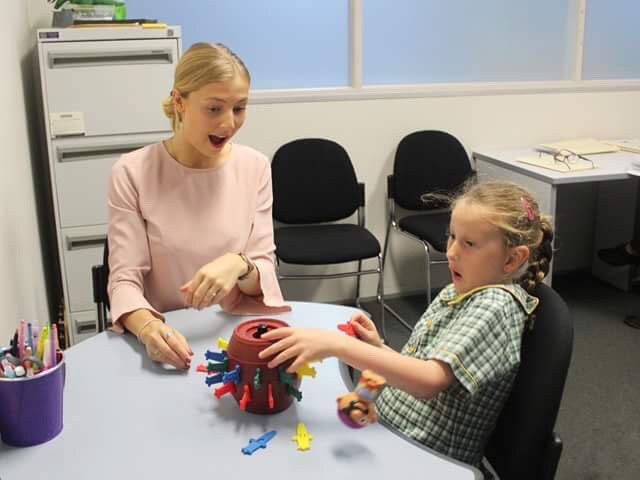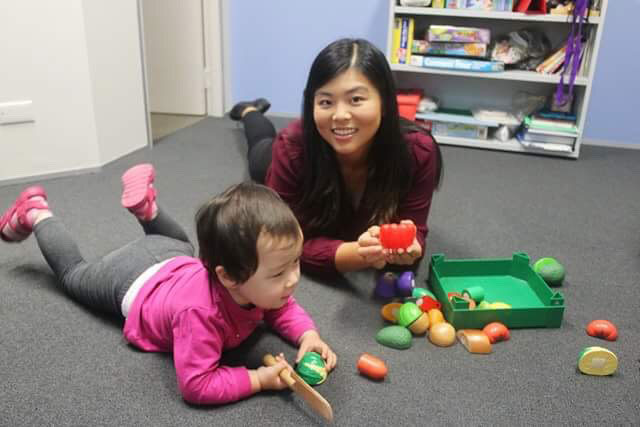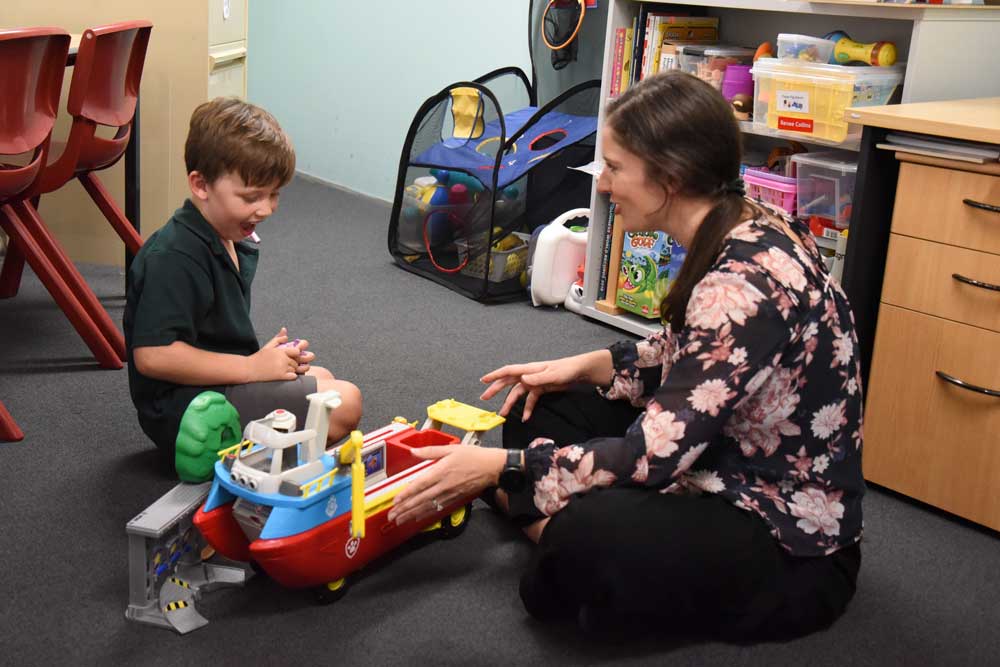
Supporting your child’s social communication doesn’t mean pushing them into uncomfortable situations or expecting them to interact in the same way as everyone else. Many children, including autistic children and other neurodivergent kids, communicate and connect differently. Our job as adults is to create safe, respectful environments where communication can grow naturally.
Here are practical, everyday ways to support social communication without forcing interaction.
Follow Your Child’s Lead
Children communicate best when they feel safe, understood and in control. Following their interests helps communication feel purposeful instead of pressured. 
Functional examples:
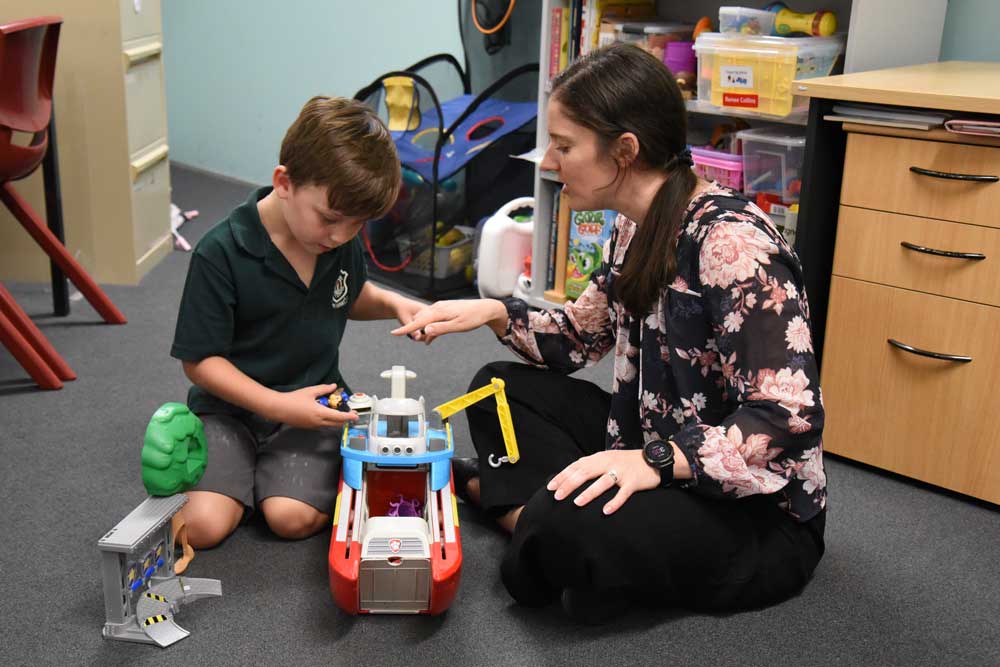
- If your child is lining up cars, sit nearby with a car of your own and copy their play. You don’t need to direct or change what they’re doing.
- Comment gently on what you see: “That red car is really fast.” No question required.
- If your child loves dinosaurs, bring dinosaur books or figures into everyday routines and let them choose how to engage.
Create Opportunities Without Pressure
You can open the door to interaction without pushing your child through it.
Functional examples:
- Leave a favourite toy slightly out of reach so your child can request it in their own way (gesture, word, pointing, handing you something).
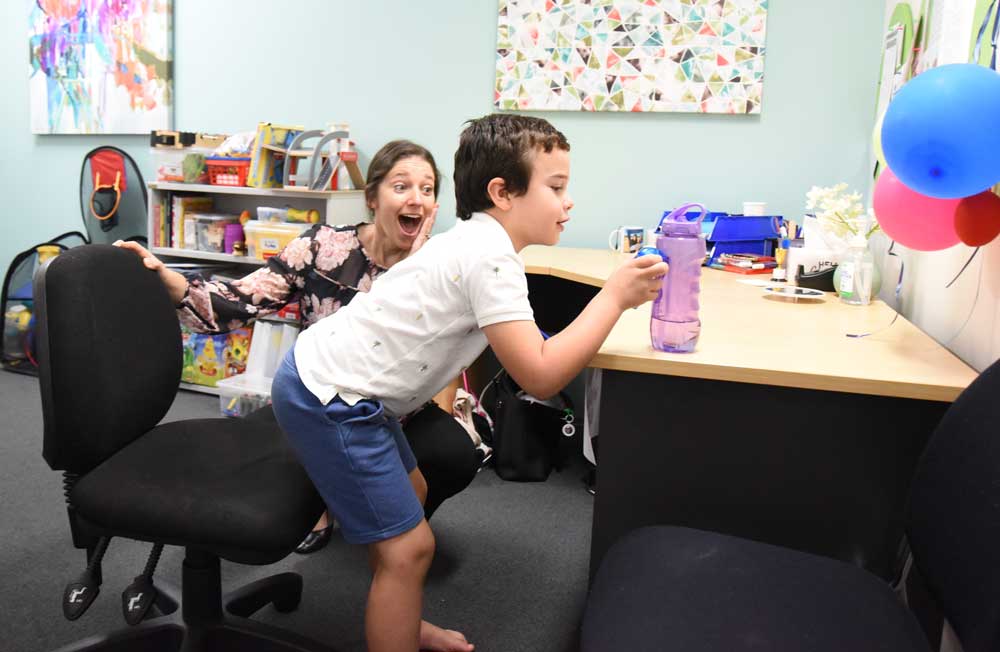
- Pause during a familiar routine like opening a snack packet. Wait a few seconds before helping so your child can initiate if they want to.
- Offer choices visually or verbally: “Blue cup or green cup?” Choosing is communication.
Model Communication Instead of Demanding It
Kids learn a lot by watching and listening. When you model language and social behaviour, you give them tools without expecting an immediate response.
Functional examples:
- If your child points to the fridge, you might model: “You want yoghurt.”
- Narrate your actions: “I’m packing your lunch now. I’m putting in the apple.”
- If your child is non speaking or uses AAC, model words on their device during shared activities. No expectation for them to copy you.
Respect Their Boundaries

Not every child wants eye contact, hugs, or long conversations. Respecting boundaries teaches children that their needs matter.
Functional examples:
- If a relative asks for a hug, you can say, “Sam’s choosing a wave today.”
- If your child turns away during a conversation, give them space and continue when they re-engage.
- If group activities are overwhelming, let your child take breaks without making a big deal of it.
Let Interaction Be Child-Led, Not Adult-Driven
Instead of directing every moment, join in gently and allow your child to be the guide.
Functional examples:
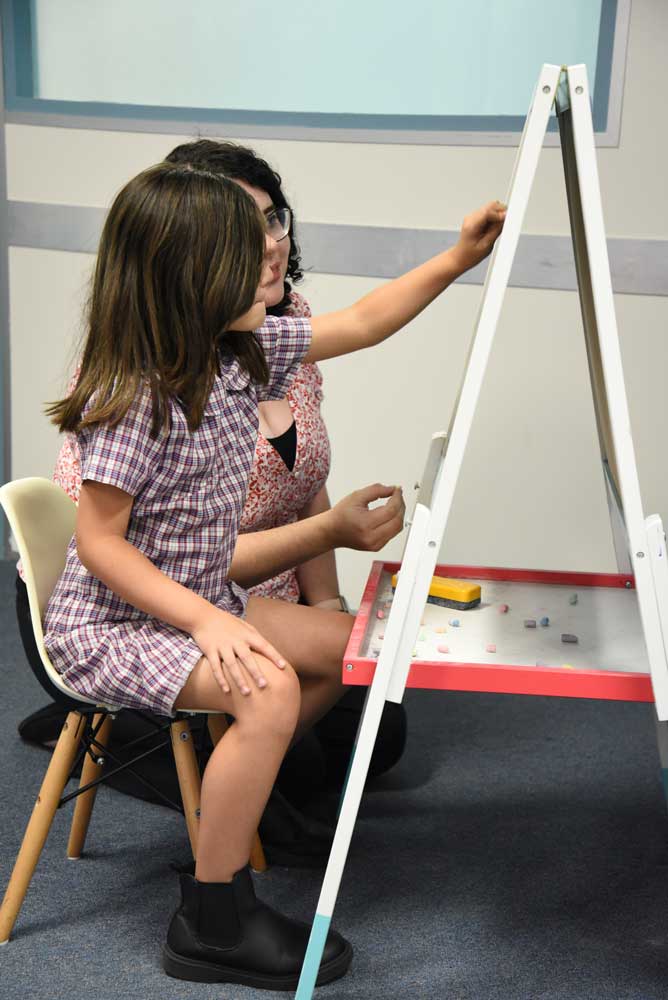
- Sit beside your child rather than opposite, especially for kids who find direct interaction intense.
- Copy their play actions and pause to see if they respond with another action.
- When playing with blocks, you might place one nearby and wait to see if they incorporate it.
Focus on Connection, Not Performance
Social communication is not about perfect sentences or “social rules”. It’s about connection in whatever form that takes.
Functional examples:
- Celebrate any attempt to communicate, whether it’s a glance, a sound, a gesture, a word or a written message.
- If your child scripts from a favourite show, respond to the meaning behind it. Scripts can be rich communication.
- Accept alternative forms of play, including parallel play, which is a perfectly valid stage of social connection.
Prepare for Social Situations in a Supportive Way
Preparation reduces stress and gives your child tools so they can engage at their own pace.
Functional examples:
- Before visiting a playground, explain what they might see: “There’ll be kids on the swings. You can climb, slide or watch.”
- Offer an exit plan if things feel too much.
- Use visuals like calendars, photos or simple drawings to show what will happen next.

Advocate for Your Child’s Comfort
Your child’s communication style is valid. Advocating for them helps others understand and respect their needs.
Functional examples:
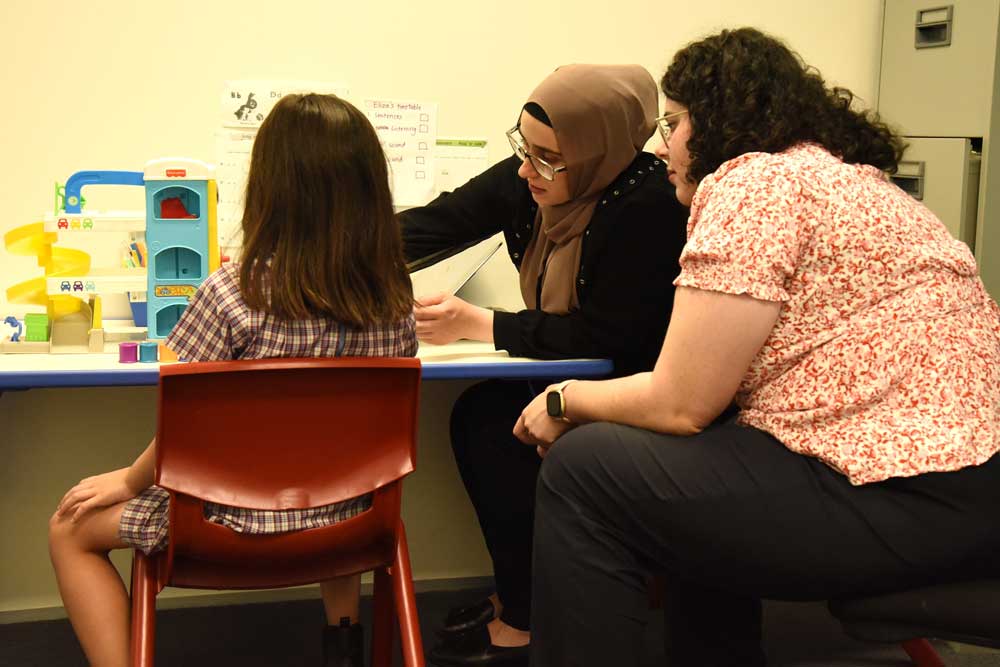
- Tell teachers or family members, “Lily communicates best when you give her time to respond.”
- Explain, “He doesn’t always answer questions but he shows you what he needs by pointing or leading you.”
- If someone expects immediate replies, gently remind them that your child might need extra processing time.
Celebrate Your Child’s Communication Style
Neurodiversity means there are many beautiful ways to communicate. It’s our role to support each child’s unique strengths.
Functional examples:
- Notice what your child does well: observing details, sharing interests, showing kindness through actions, or connecting quietly.
- Validate their preferences: “You like playing next to friends instead of talking. That’s OK.”
- Encourage communication in the ways that feel natural to them, whether that’s talking, AAC, gestures, art or shared activities.
Supporting social communication isn’t about pushing children to interact more. It’s about creating an environment where they feel safe, respected and understood. When children know their boundaries and differences are accepted, communication grows naturally.
If you focus on connection, follow their lead and remove pressure, you’ll see authentic, meaningful communication shine through in its own time and in its own way.