As parents, we often feel pressure to teach our children how to communicate. But the strongest communication skills don’t start with textbooks, flashcards or perfectly practised sentences – they start with connection.
And one of the simplest, most powerful ways to build connection with your child is by tuning in to what they love.
Why Your Child’s Interests Matter
When a child is excited, curious or deeply engaged in something, their brain is primed for communication. Interest sparks motivation. Motivation sparks interaction. So, when parents join their child in that interest, communication naturally flows.
This is especially important for neurodivergent children, who often communicate most confidently and comfortably when they feel understood, respected and seen.
Follow Their Lead – Not the Agenda
Instead of trying to steer your child toward a specific activity, look at what they’re already doing. Ask yourself:
- What is my child choosing?
- What are they looking at for the longest?
- What keeps them coming back?
Then join in.
Example
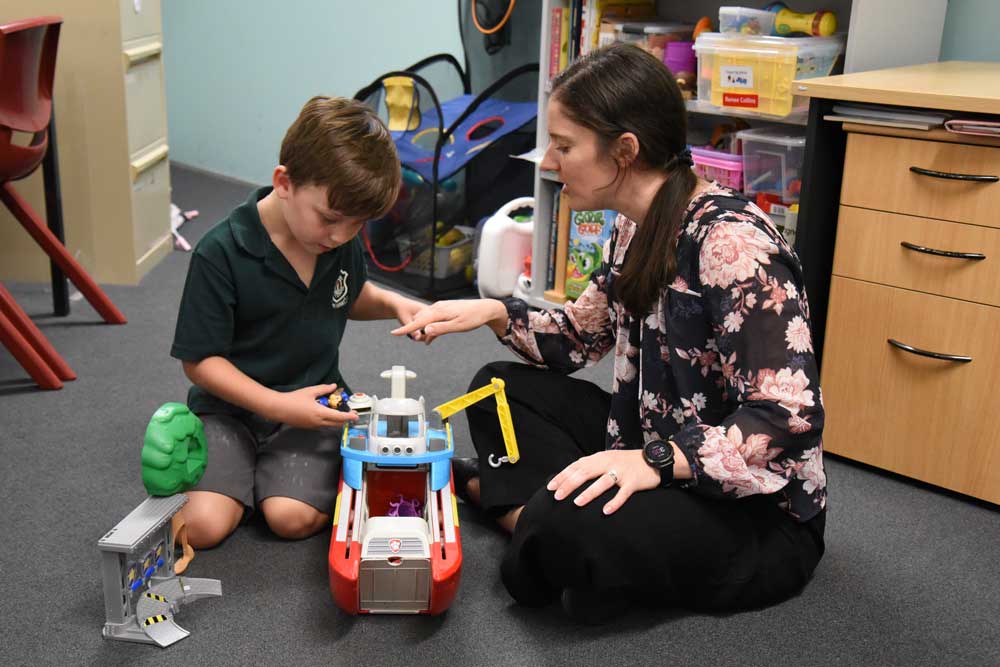
If your child lines up cars, join them. Line up cars beside them. Comment on what you see
- “You put all the red ones together – they look fast.”
- “I’m adding a blue one to the line.”
You’re not changing the play. You’re entering their world.
Use Your Child’s Interests to Build Everyday Communication
You don’t need worksheets or planned ‘communication time’. Every moment can be a chance to connect.
Here are practical ways to use interests in daily life:

If your child loves animals
- While driving: “I see a black and white dog – what colour do you see?”
- At home: “You be the vet, I’ll bring the sick animals.”
- Books: “Which animal should we find first – the lion or the giraffe?”
If your child is into trains
- During bath time: “The sponge is a train – it’s stopping at the soap station.”
- In the kitchen: “Can you drive the train spoon to the bowl station?”
- At the shops: “Let’s find something that looks like a tunnel.”
If your child loves building
- Use open-ended comments: “That tower is huge – I wonder what goes on top.”
- Problem solving: “Oops it fell – what should we try now?”
- Social skills: “Can we build one together or side by side?”
If your child has a favourite show or character

- Role play: “You be Bluey, I’ll be Bingo.”
- Expand language: “Bluey likes to pretend – what should we pretend today?”
- Conversation starters: “What was your favourite part of the episode?”
If your child loves movement
- During routines: “Race you to the bathroom – ready, set, go.”
- Communication through choice: “Spin or jump first?”
- Waiting time: “Can you show me a quiet stomp or a loud stomp?”
Connection Before Correction
Children communicate best when they feel safe and connected. Rather than correcting grammar, clarity or the ‘right’ way to play, try:
- responding to intent
- adding a few words to expand their message
- describing what they’re doing
- using warmth and curiosity
Example
Child: “Car go”
Parent: “Yeah, the car is going fast.”
Child: Moving with excitement while looking at a toy
Parent: “You’re excited – you really love that one.”
These responses show your child that their communication is valued.
Celebrate Their Unique Way of Communicating
Every child communicates differently. Some use words, some use gestures, some use AAC, some communicate through actions, eye gaze or behaviour.
When you follow your child’s interests, you’re showing them:
- “I see you.”
- “I hear you.”
- “You matter.”
This builds trust, confidence and stronger communication over time.
Using Interests to Support Social Connection
Shared interests can also help children learn how to interact with peers. A few ideas:
- Set up playdates around shared hobbies like Lego, drawing or scooters.
- Encourage parallel play first – children don’t need to talk to connect.
- Model simple social scripts such as “Can I try?” or “Want to build together?”
Again, interest drives confidence.
You Don’t Need to Be the Teacher – Just Be Present
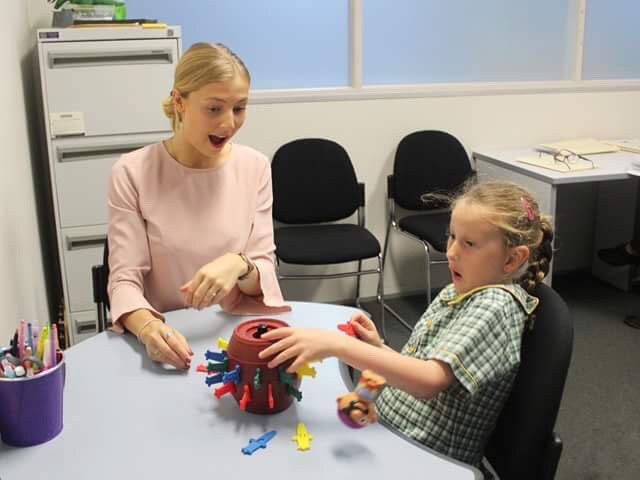
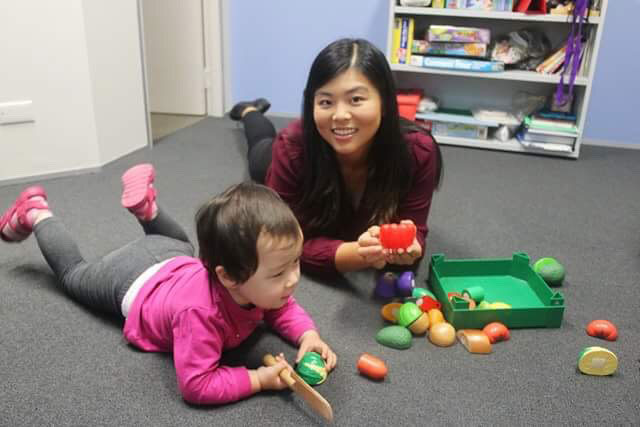
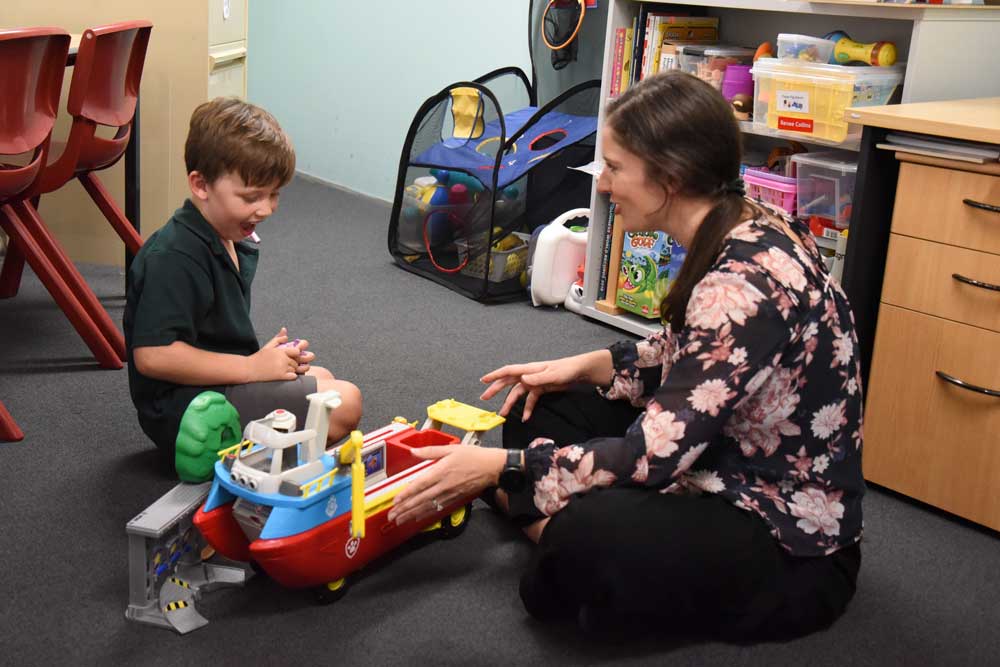
Parents often feel like they need to do more to support communication. But the truth is, the magic happens in small moments when you slow down and join your child in what lights them up.
- Sit beside them
- Watch
- Follow
- Comment
- Enjoy
Connection is the heart of communication. And your child’s interests are the doorway into their world.