For many parents, this can be frustrating, especially when you know your child has had a busy day filled with activities, learning and interactions with friends. However, sharing information about our day is actually a complex language task that requires several skills working together.
For some children, particularly those with speech and language difficulties, recalling and explaining their experiences can be challenging. Understanding why this happens can help parents find more effective ways to support their child’s communication.
1. Remembering What Happened
Before children can tell us about their day, they first need to remember what happened! This involves using their memory to recall events, people, activities and important details. After a busy school day, children may have experienced so many different things that it becomes difficult to decide what information to share.
For example, when asked, “What did you do at school today?”, your child needs to think back over several hours, remember different activities and select something relevant to tell you.
What can parents do?
Instead of asking a broad question, try asking about a specific part of their day, such as:
- “Who did you sit next to at lunch?”
- “Did you play outside or inside during recess?”
- “What book did your teacher read today?”
These questions provide a clearer starting point and reduce the amount of information your child needs to recall.
2. Putting Events in the Right Order
Remembering an event is only one part of the process. Children also need to organise their thoughts and explain what happened in a way that makes sense to someone who wasn’t there. This skill is known as narrative language, which involves telling stories or recounting experiences in a logical and organised way.
For example, a child might tell you:
“We played soccer. Then Jack fell over. I was running. The teacher came.”
Although the child has remembered several important details, they may have difficulty organising these events into a clear sequence. Developing narrative language skills helps children explain what happened, who was involved, where the event occurred and how it ended.
What can parents do?
Try modelling short recounts using sequencing words such as first, then, next and finally.
For example:
“First, we went to the shops. Then, we bought some groceries. After that, we went home and made dinner.”
You can also use photographs from family outings or activities to help your child practise putting events in order.
3. Finding the Right Words
Sometimes, children know exactly what happened but have difficulty explaining it. They may struggle to retrieve specific words, construct sentences or include enough information for their listener to understand.
For example, your child might say:
“We went to that place, and he did that thing.”
While this might make sense to your child, it can be difficult for someone who wasn’t present to follow the conversation.
What can parents do?
Rather than immediately correcting your child or asking multiple follow-up questions, try modelling a more detailed sentence.
For example:
Child: “We did painting.”
Parent: “Oh, you did painting in art class today! I wonder what you painted?”
This provides your child with a model of how to expand their message while keeping the conversation natural and enjoyable.
4. Why Open-Ended Questions Can Feel Overwhelming
 Questions such as “How was your day?” or “What happened at school?” might seem simple to adults, but they can place significant demands on a child’s language processing skills.
These questions require children to interpret what information is being requested, decide what is important and formulate a response. For some children, particularly after a long day of learning and socialising, this can feel overwhelming.
What can parents do?
Try reducing the pressure by:
- Giving your child time to unwind before asking questions.
- Offering choices, such as “Did you play soccer or handball at lunch?”
- Sharing something about your own day first.
- Allowing extra time for your child to think and respond.
- Using photos, visual schedules or messages from teachers as conversation starters.
Remember, conversations don’t always need to involve questions! Making comments and sharing your own experiences can create opportunities for your child to communicate without feeling like they are being tested.
5. How Can Speech Therapy Help?
Speech pathologists support children in developing the language skills needed to share experiences, tell stories and participate in everyday conversations. Depending on your child’s individual needs, therapy may focus on:
- Recalling and sharing important details from experiences.
- Sequencing events in a logical order.
- Using longer and more complex sentences.
- Understanding and answering different types of questions.
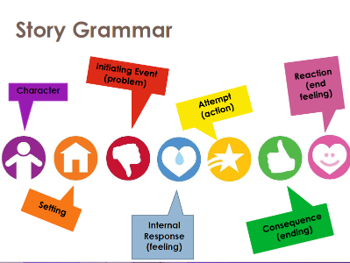
- Developing narrative skills, including describing characters, problems, actions and outcomes.
These skills are important not only for everyday conversations but also for classroom learning, reading comprehension, written expression and building relationships with others.
Final Thoughts
If your child struggles to tell you about their day, remember that it doesn’t necessarily mean they have nothing to say or aren’t interested in sharing their experiences. For some children, the challenge lies in remembering, organising and expressing their thoughts in a way that others can understand. By making small changes to the way we ask questions, modelling language and creating relaxed opportunities for conversation, we can help children feel more confident sharing their experiences.
If you have concerns about your child’s ability to recall events, organise stories or communicate their experiences, a speech pathologist can help identify their strengths and areas where additional support may be beneficial.