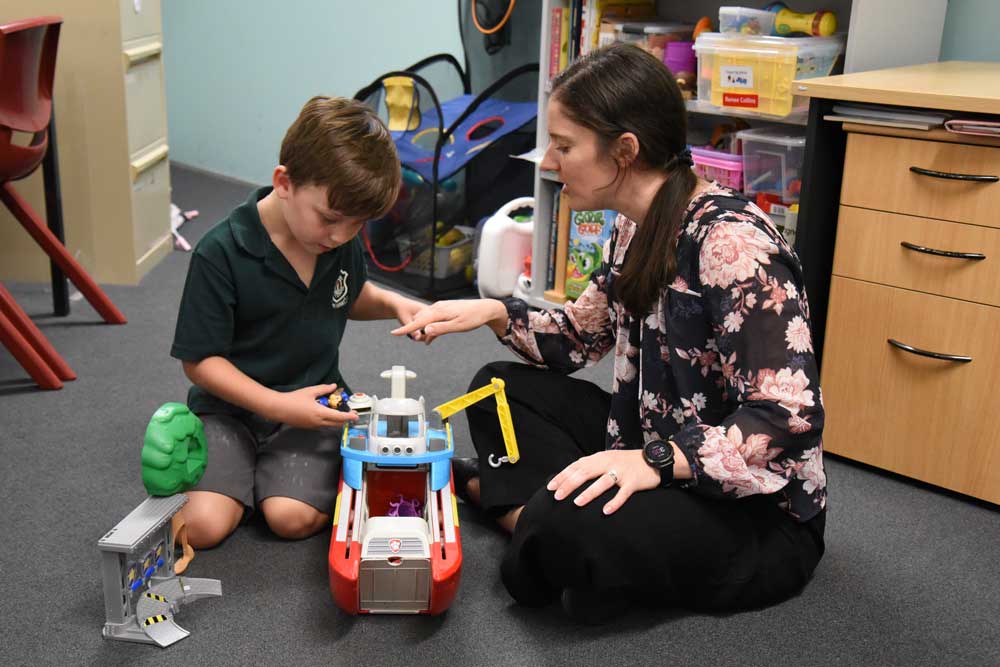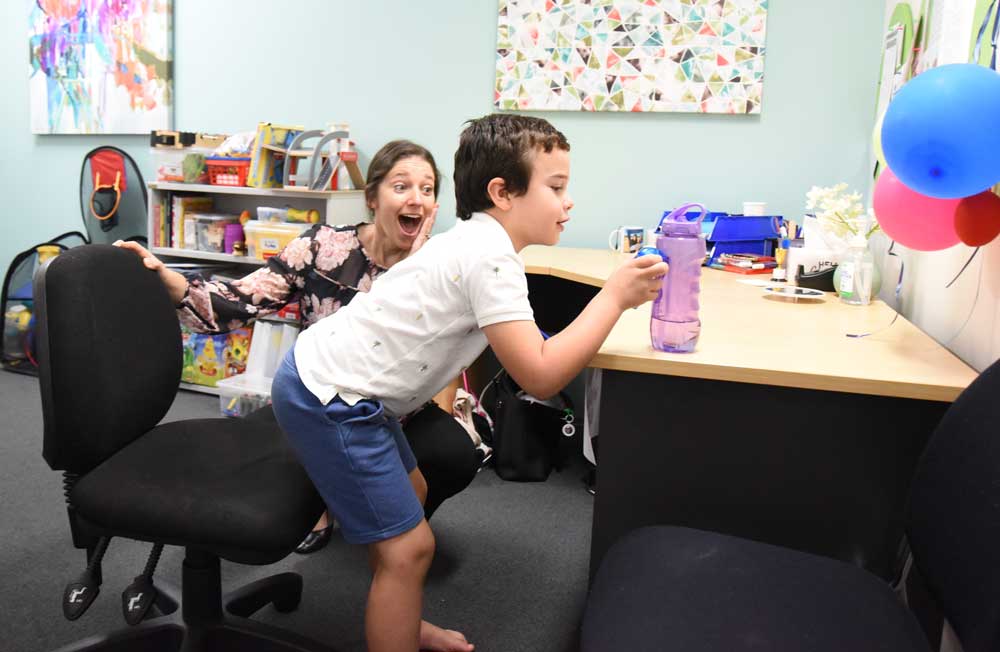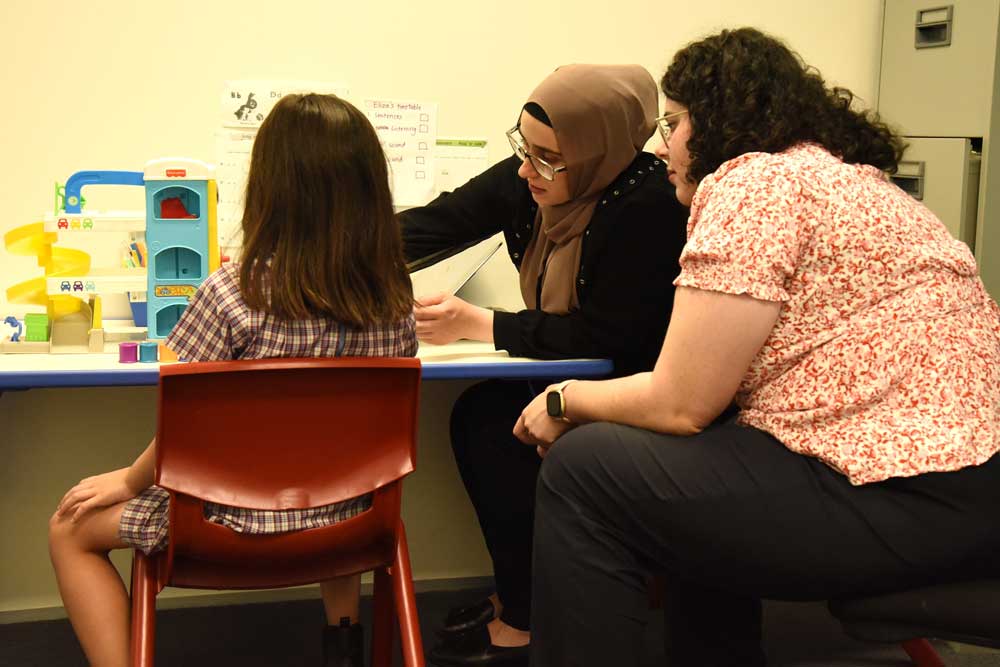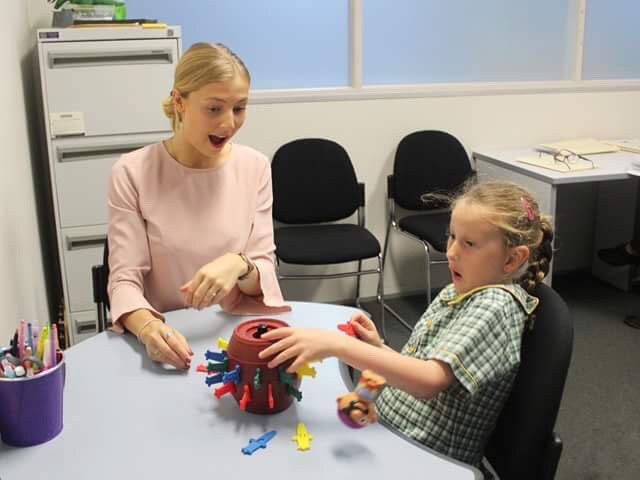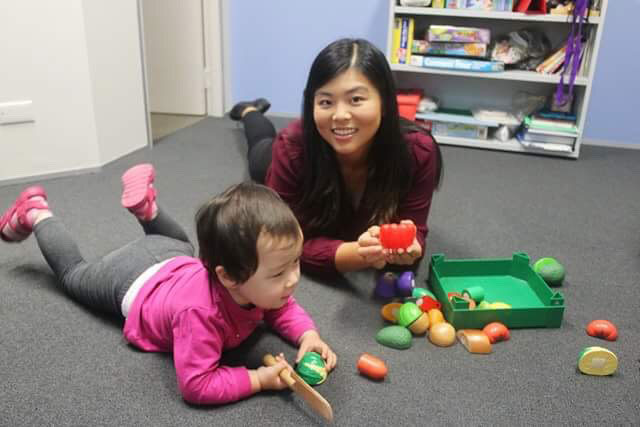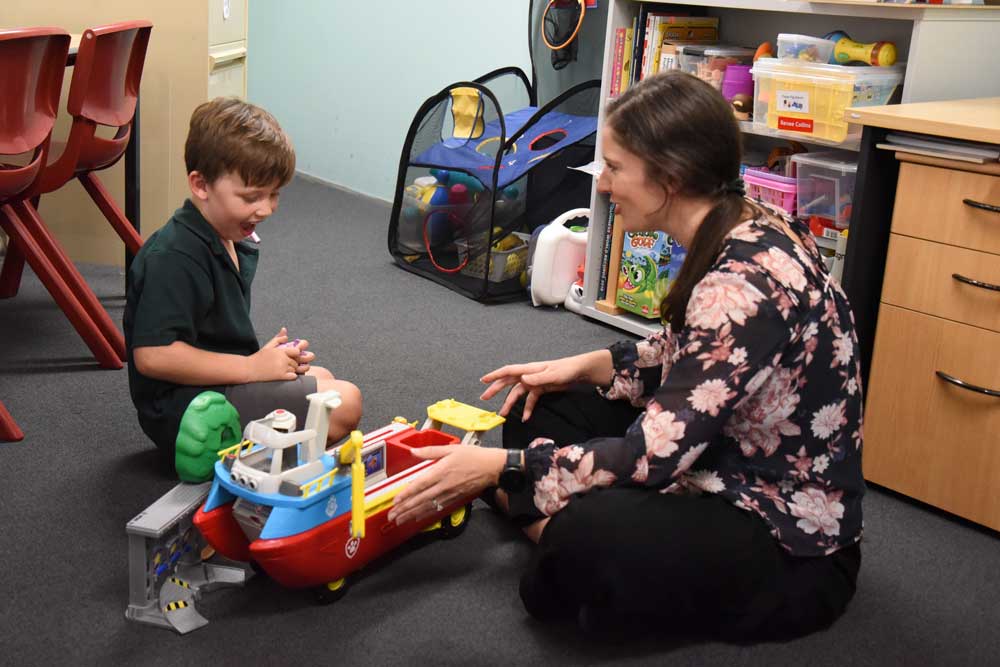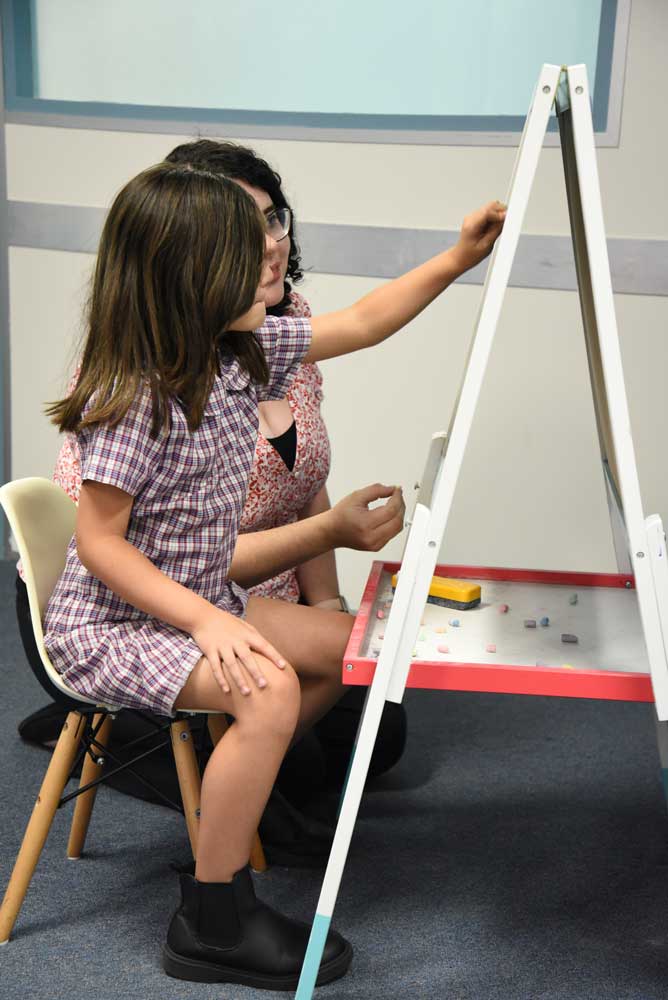
When you bring your child to speech therapy, you might expect the session to get straight into practising sounds, building sentences, answering questions or working on other communication goals. Instead, you might see your speech pathologist spend time playing with your child, talking about their favourite topic, being silly together or simply allowing them time to settle into the room.
There is an important reason for this:
Before teaching and learning can happen, a child needs to feel connected, safe and regulated.
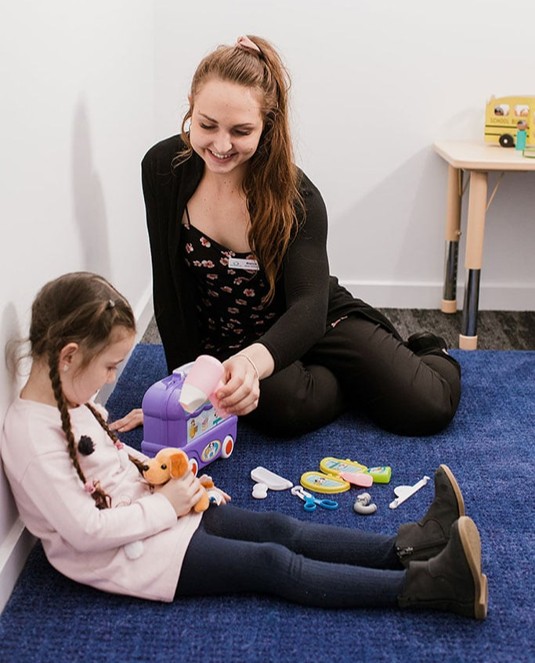 Connection comes before learning
Learning something new requires a lot from a child. They need to be able to pay attention, process information, respond to another person, tolerate mistakes and keep trying when something feels difficult.
These things are much harder when a child is feeling anxious, overwhelmed, unsure of the environment or disconnected from the adult working with them.
This is why one of our first priorities as speech pathologists is often building a genuine connection with your child.
We want them to learn: “This is a person I can trust. They understand me. It’s okay to communicate here.”
Once that trust develops, we often see children become more comfortable exploring, communicating, taking risks and engaging in learning.
Regulation matters
Being regulated doesn’t mean a child needs to sit still, stay quiet or appear “calm.”
Regulation is about being in a state where they are available for interaction and learning.
For one child, this might mean sitting at a table. For another, it might mean moving around the room, holding a favourite toy, having regular movement breaks or completing an activity on the floor.
Our job is not simply to get a child to comply with an activity. We want to understand what their body and brain need so they can meaningfully participate.

What does this actually look like?
Imagine a child arrives for their speech session after a difficult morning.
They don’t want to come into the therapy room. They stay close to their parent, don’t respond to questions and become upset when the speech pathologist brings out a structured activity.
We could continue asking them to sit down and complete the activity because it is part of their therapy plan.
But if that child isn’t feeling safe or regulated, how much meaningful learning is likely to happen?
Instead, the speech pathologist might put the activity aside temporarily. They notice the child looking at a box of cars and say, “I wonder which one is the fastest?”
The child chooses a car.
The therapist gets another one and starts racing alongside them. There are no demands at first. They play, laugh and build familiarity.
As the child becomes more comfortable, the speech pathologist gradually introduces communication opportunities into the play:
- “Ready, set… go!“
- “My car is fast!”
- “Uh oh, it crashed!”
- “Should we make a big ramp or a little ramp?”
- “Your turn, then my turn.”
Later in the session, the child may be ready to engage in a more structured activity targeting their specific speech or language goals.
The speech pathologist hasn’t “wasted” the first part of the session playing with cars.
They have helped the child reach a place where learning is possible.
Trust makes it safer to try difficult things
Speech therapy often asks children to do things they find genuinely difficult.
A child might be asked to produce a sound they haven’t yet mastered, tell a story when organising their thoughts is challenging, use unfamiliar words or communicate in a new way.
Trying something difficult requires trust.
A child who feels secure with their therapist is more likely to attempt something new, make a mistake, accept help and try again. This is particularly important because we don’t want children to associate communication with constant correction or the feeling that they are getting something “wrong.”
Instead, we want therapy to communicate: “It’s okay if this is hard. I’ll help you. We can work it out together.”
Following a child’s interests doesn’t mean there aren’t therapy goals
Sometimes therapy can look very different from what parents expect.
A child might spend part of a session playing with dinosaurs, drawing, building Lego or talking about their favourite game.
But underneath that activity, your speech pathologist may be intentionally working on vocabulary, grammar, speech sounds, storytelling, social communication or another specific goal.
A child’s interests can be a powerful way to create connection and motivation while still providing meaningful opportunities for learning.
Connection, trust and regulation create the foundation
As speech pathologists, we absolutely want to help children develop new skills. But we also recognise that we can’t simply teach a skill because it appears on a therapy plan.
We first need to consider the child in front of us.
- Do they feel comfortable with me?
- Do they trust me?
- Are they regulated enough to participate?
- Are they engaged?
- Are they ready for this level of challenge today?
Sometimes the best clinical decision is to increase the challenge. Other times, it is to reduce the demands, offer movement, follow the child’s interests or spend a little more time reconnecting.
The Takeaway
When your child’s speech pathologist prioritises play, connection or regulation, it doesn’t mean that learning has been forgotten.
Connection and trust help a child feel safe. Regulation helps them become available for interaction. And from there, teaching and learning can happen.
The goal isn’t just to get through as many therapy activities as possible. It’s to create an environment where your child feels understood, supported and ready to learn, so that the skills we practise have the best chance of growing beyond the therapy room and into everyday life.