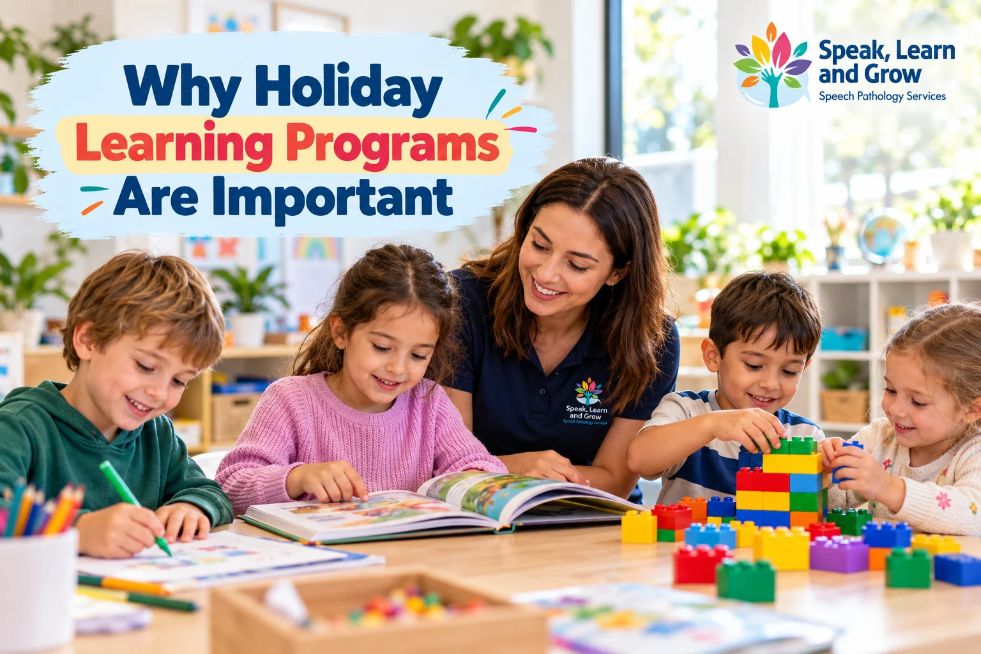
Why Holiday Learning Programs Are Important
School holidays give children a valuable break from classroom routines, homework and structured lessons. They also create opportunities to explore interests, practise everyday skills and spend meaningful time with family and peers. For children who benefit from extra support with communication, language or social interaction, the holidays can be an opportunity to keep practising familiar skills in relaxed, enjoyable settings. Well-planned school holiday learning programs can combine play, creativity and purposeful activities to help children stay engaged while enjoying their time away from school.
Why School Holiday Programs in Caringbah Matter for Children’s Development
During the school term, children often follow a busy routine involving lessons, homework, extracurricular activities and family commitments. School holidays provide more flexibility, but a sudden change in routine can also leave some children unsure about what to do next. A balanced holiday program offers structure without making the break feel like another school day.
For families exploring school holiday programs in Caringbah, the key consideration should be whether the activities suit their child’s age, interests, abilities and individual needs. Some children enjoy group games and creative workshops, while others feel more comfortable with smaller groups or predictable activities. A suitable program should offer opportunities to participate at a manageable pace rather than expecting every child to learn or interact in the same way.
Holiday activities can support several areas of development, including communication, problem-solving, independence and social participation. The benefits depend on the activities provided, the child’s engagement and the support available. Holiday programs should complement a child’s everyday experiences and any existing professional support, rather than being presented as a guaranteed way to achieve developmental outcomes.
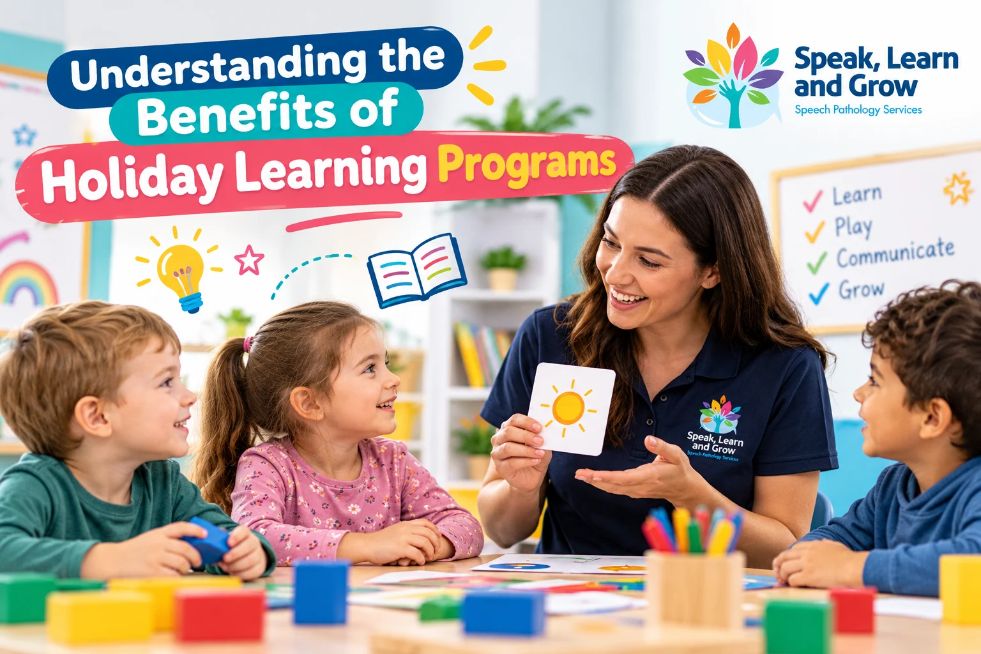
Understanding the Benefits of Holiday Learning Programs
The benefits of holiday learning programs extend beyond keeping children occupied during the break. When activities are thoughtfully planned, children can practise skills in different situations and discover new ways to express themselves. For example, making a simple craft may involve following instructions, asking for materials, describing colours and explaining the finished creation to another person.
These everyday interactions can make learning feel practical and enjoyable. Rather than focusing only on formal teaching, effective activities allow children to learn through doing, talking, observing and playing. The goal is not to fill every holiday hour with educational tasks. It is to create opportunities for children to explore, build confidence and maintain a healthy balance between learning, rest and recreation.
Building Communication and Language Skills
Communication develops through everyday experiences. Children practise language when they ask questions, explain what they want, listen to instructions, tell stories and respond to other people. Holiday activities can create natural opportunities for these interactions without the pressure of a classroom assessment or formal lesson.
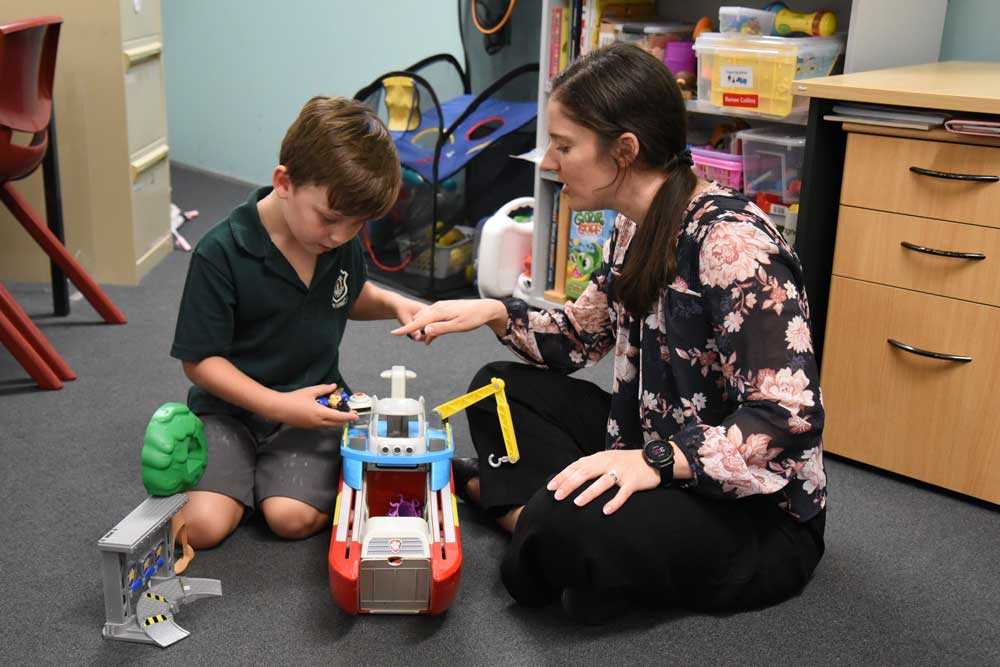
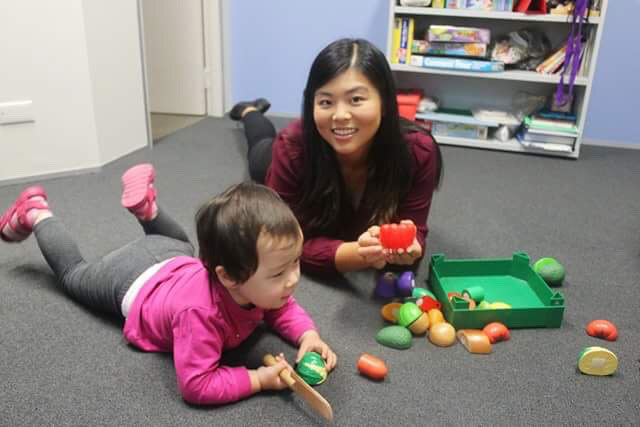
For instance, a cooking activity may encourage a child to name ingredients, describe what comes next and request help when needed. A treasure hunt may involve understanding clues, following directions and explaining where an item was found. These activities can be adapted to different communication abilities, allowing children to participate using speech, gestures, visual supports or other appropriate communication methods.
Encouraging Social Interaction and Cooperation
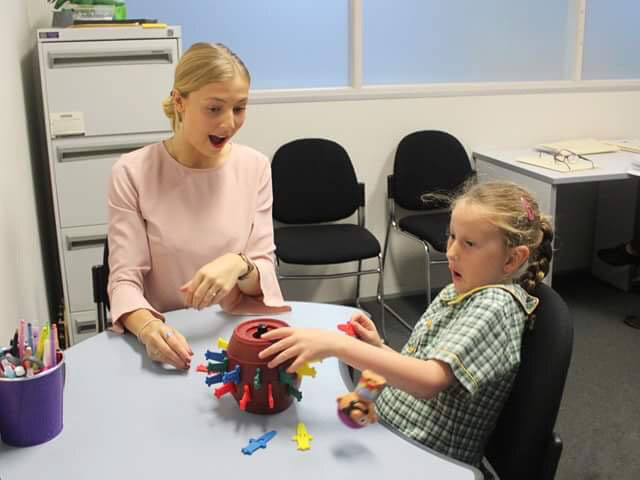
Group activities can give children opportunities to practise turn-taking, sharing materials, listening to peers and negotiating simple decisions. Board games, team challenges and collaborative art projects are useful examples because they provide a shared focus and clear opportunities for interaction.
Social participation can be challenging for children who find unfamiliar environments, fast conversations or unpredictable group situations difficult. In these circumstances, it helps to introduce activities gradually, explain expectations and allow time to observe before joining in. Adults can model helpful phrases, such as asking for a turn or requesting a break, while recognising that children may need different levels of support.
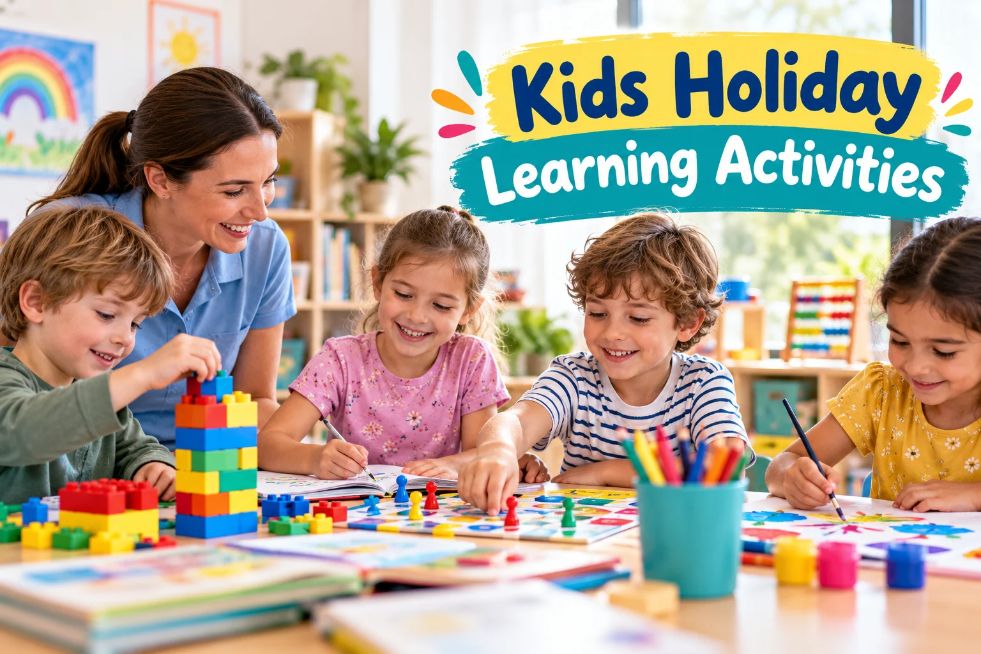
Kids Holiday Learning Activities That Make Learning Enjoyable
The most useful kids’ holiday learning activities are often simple, flexible and connected to children’s interests. Activities do not need expensive equipment or complicated lesson plans. Everyday materials, familiar games and opportunities to explore the local environment can create meaningful learning experiences when adults encourage children to think, communicate and participate.
The following activities can be adjusted for different ages and abilities. Families should consider each child’s interests, sensory preferences, attention span and support needs when choosing what to try.
Creative Activities That Encourage Expression
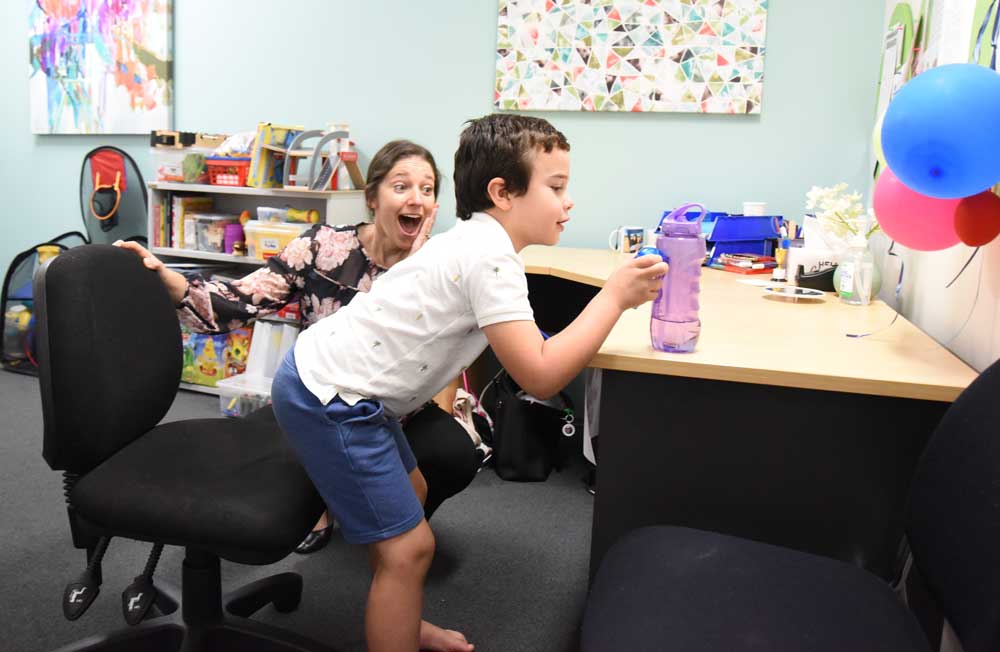
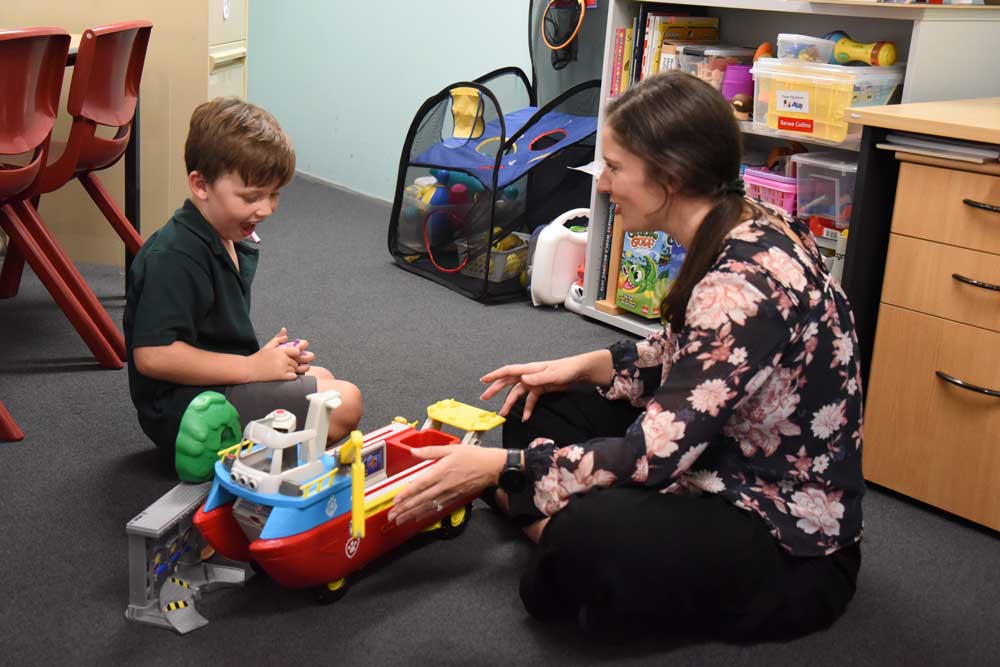
Drawing, painting, model-making and storytelling can encourage children to share ideas and describe their choices. An adult might ask a child to explain what they are creating, choose a name for a character or tell a short story about a picture. These conversations provide opportunities to practise vocabulary, sentence formation and sequencing in a relaxed setting.
Children who find open-ended questions difficult may benefit from specific choices or visual prompts. Instead of asking, “What do you want to make?”, an adult could offer two materials or demonstrate a simple starting point. The child can then make choices and gradually contribute more ideas as they become comfortable with the activity.
Games That Develop Listening and Following Instructions
Simple games can help children practise listening, remembering information and following directions. Activities such as treasure hunts, matching games, puzzles and movement games can be adapted to include one-step or multi-step instructions depending on the child’s abilities.
For example, a parent might say, “Find the red block and put it beside the box.” If this is too difficult, the instruction can be shortened or supported with a gesture. As the child becomes more comfortable, the adult can gradually add another step. The aim is to make participation achievable while providing an appropriate opportunity to practise listening and comprehension.
Everyday Activities That Build Independence
Holiday routines also provide opportunities to practise practical skills. Children can help prepare snacks, organise their belongings, choose clothes for an outing or pack a small bag. These tasks may involve planning, decision-making, sequencing and communicating what is needed.
Some children benefit from a visual checklist showing each step of a task. Others may need an adult to demonstrate the activity before trying it independently. Support should be adjusted to the child’s needs, with enough time to attempt each step without unnecessary pressure. Recognising effort and progress can encourage children to keep participating, even when a task takes several attempts.
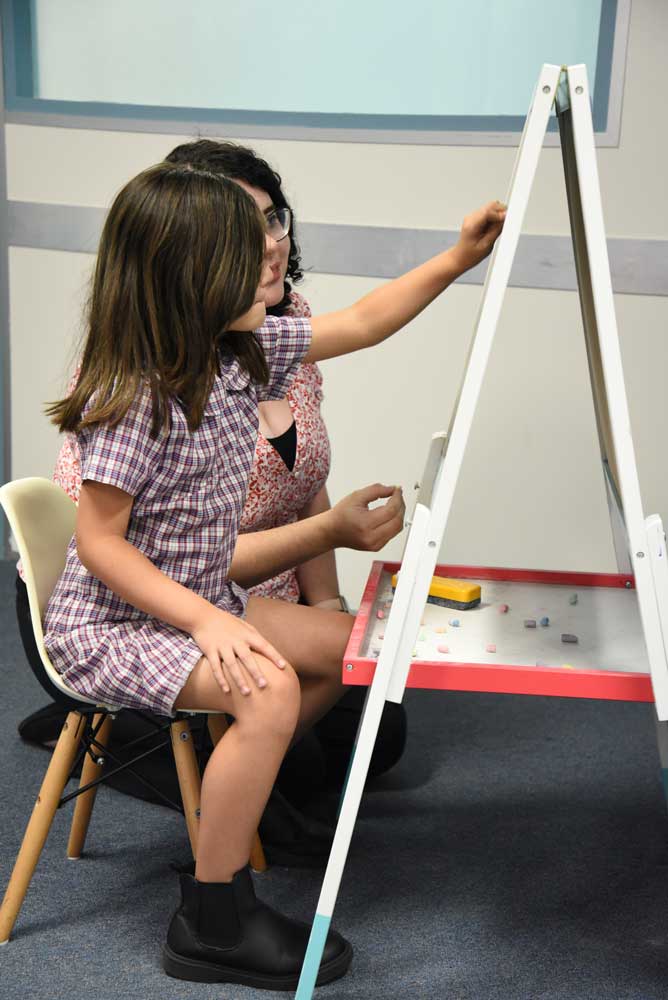
How Holiday Learning Can Support Children With Communication Needs
School holidays may be particularly useful for children who are working on communication goals, provided activities are matched to their individual needs. A child who is practising expressive language, for example, might benefit from opportunities to describe events, make requests or retell a familiar story. A child working on understanding language may benefit from visual instructions, predictable routines and repeated exposure to useful vocabulary.
However, children do not all learn in the same way, and a holiday program should not assume that one activity will suit everyone. Some children may participate comfortably in a large group, while others may need a smaller setting, additional preparation or a quieter environment. Communication support should be respectful, flexible and centred on helping each child participate meaningfully.
Using Familiar Skills in New Situations
Children may practise a skill successfully in one environment but find it harder to use elsewhere. A child who can ask for help at home, for example, may not use the same words when participating in a new group activity. Different people, surroundings and expectations can change how comfortable communication feels.
Holiday activities can provide opportunities to practise familiar skills in varied situations. Adults can help by using consistent language, allowing processing time and offering appropriate prompts. If a child uses visual communication supports or another established communication method, those supports should remain available. The purpose is to make communication more accessible, not to force a child to communicate in a particular way.
Working Alongside Existing Speech Pathology Support
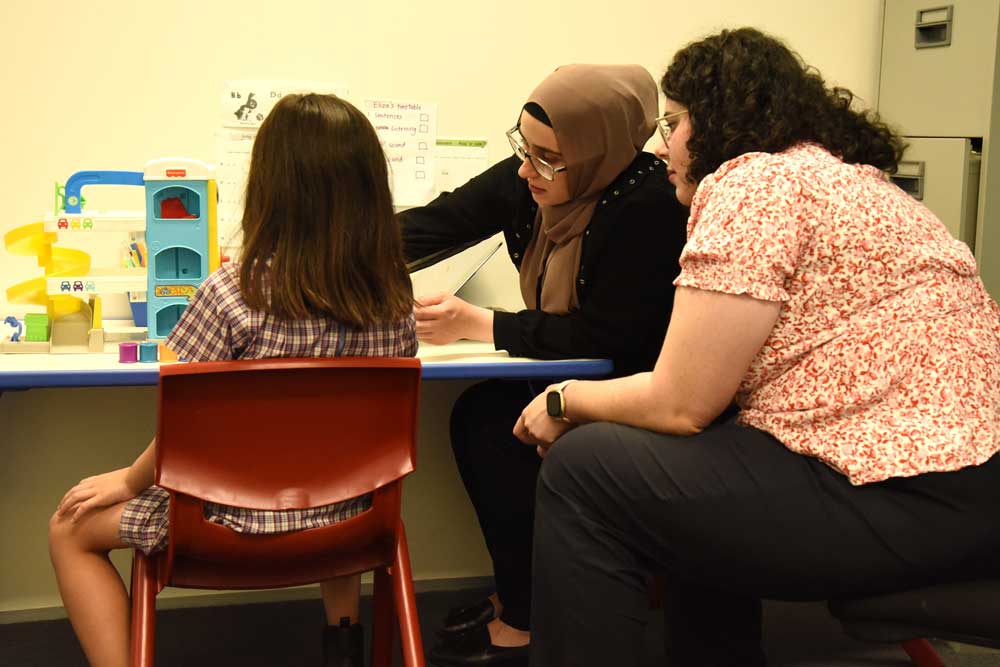
For families already receiving speech pathology support, the holiday period may be a useful time to discuss how everyday activities can complement a child’s current goals. A speech pathologist can help identify practical strategies that fit naturally into play, conversations and family routines.
It is important to distinguish between general holiday enrichment and individualised therapy. A recreational program does not automatically replace clinical assessment or treatment. Where a child has specific communication needs, families should seek advice about which activities are appropriate and how to support the child without turning every interaction into a lesson.

Choosing School Holiday Programs for Children
When comparing school holiday programs for children, look beyond the activity list and consider how the program is organised. A well-matched environment should provide clear expectations, appropriate supervision and opportunities for children with different interests and abilities to participate.
Before enrolling, families may wish to ask the provider about the following:
- Age groups and group size: Are activities appropriate for the child’s developmental stage, and will the group be manageable for them?
- Daily structure: Is there a clear routine with opportunities for breaks, movement and quieter activities?
- Staff experience: What experience do staff have with the activities being offered and the needs of participating children?
- Communication with families: How are individual needs, preferences and relevant support strategies discussed?
- Accessibility and inclusion: Can activities be adapted to accommodate different communication, sensory or physical needs?
- Safety and supervision: What arrangements are in place for supervision, emergencies, allergies and other relevant needs?
Families should also consider whether their child is interested in the activities. A program may look impressive on paper but still be a poor fit if the environment is overwhelming or the activities do not appeal to the child. Where possible, ask about preparation materials, trial opportunities or ways to help the child become familiar with the setting before attending.
Common Mistakes to Avoid During School Holidays
One common mistake is filling every day with structured activities. Children need time to rest, play freely and enjoy interests without adult direction. Too many commitments can make holidays tiring, particularly for children who find transitions or busy environments challenging. A balanced plan should leave room for unstructured play, family time and changes of pace.
Another mistake is expecting children to demonstrate constant progress. Learning can be uneven, and a child may participate confidently one day but need more support the next. Adults should focus on meaningful participation, communication opportunities and enjoyment rather than comparing children or measuring every activity against a rigid target.
It is also important not to assume that all children enjoy group activities. Some prefer one-to-one interactions, while others need gradual introductions to unfamiliar settings. Offering choices, explaining what will happen and respecting a child’s need for breaks can make holiday experiences more positive. If an activity repeatedly causes distress, reconsidering the format may be more helpful than insisting the child continue.
Practical Tips for Parents Planning a Learning-Focused Holiday
Start by discussing the child’s interests and choosing a small number of activities that feel manageable. A simple weekly plan can provide predictability without making the break overly structured. Include a mixture of creative play, outdoor experiences, social opportunities, practical tasks and rest. For children who benefit from knowing what comes next, a visual calendar or short explanation of the day’s plan may reduce uncertainty.
During activities, use clear language and give children time to respond. Avoid asking too many questions in quick succession, especially if a child needs extra processing time. Follow their interests, model useful words naturally and celebrate attempts to participate. If the child becomes tired or overwhelmed, offer a break and return to the activity later if appropriate.
Parents should also consider what success looks like for their child. It might mean joining a group game for a few minutes, asking for help, trying a new activity or sharing an idea with another person. Small, meaningful steps can be valuable, even when they do not produce an immediate or obvious change in a child’s skills.
How Speak, Learn and Grow Speech Pathology Services Can Support Families
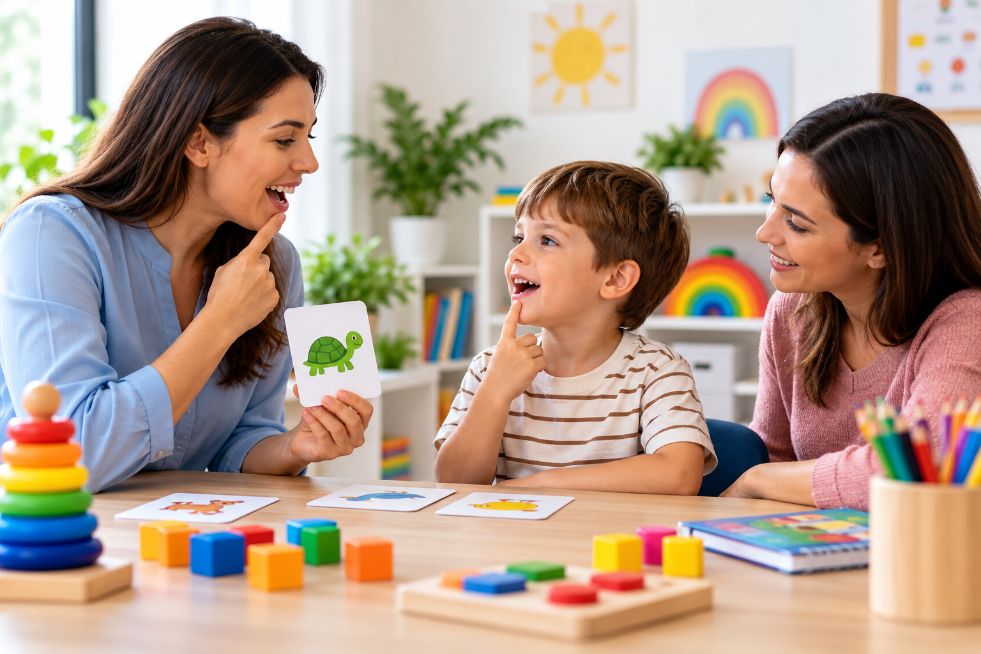
Planning holiday activities can feel difficult when families are balancing work, childcare and a child’s individual learning needs. Speak, Learn and Grow Speech Pathology Services recognises the importance of communication opportunities in everyday life. Families can explore activities that suit their child’s interests and, where relevant, discuss with their speech pathologist how play-based experiences may complement existing communication goals.
The right approach depends on the child, the activity and the support available. Speak, Learn and Grow Speech Pathology Services encourages families to prioritise enjoyable participation, realistic expectations and strategies that fit naturally into daily routines. For parents considering school holiday programs in Caringbah, choosing a suitable program and seeking individual advice when needed can help make the school break a positive and meaningful experience.
Frequently Asked Questions
1. What are school holiday learning programs?
School holiday learning programs are organised activities that provide opportunities for children to explore interests and practise skills outside the usual school routine. Depending on the program, activities may include creative projects, group games, storytelling, practical tasks and social experiences. Some programs focus on general enrichment, while others may offer more specific educational or developmental support. Families should check the program’s purpose, staffing and suitability before deciding whether it meets their child’s needs.
2. Are holiday learning programs suitable for children with speech and language difficulties?
They may be suitable when the activities and environment match the child’s individual communication needs. Predictable routines, visual supports, smaller groups and clear instructions can help some children participate more comfortably. However, suitability depends on the child and the provider’s ability to accommodate their needs. Families should discuss relevant requirements with the program organiser and consult their speech pathologist if they need advice about how an activity relates to existing communication goals.
3. How can parents support learning at home during school holidays?
Parents can create learning opportunities through ordinary routines rather than planning formal lessons every day. Cooking together, reading a story, playing a board game or preparing for an outing can encourage communication, problem-solving and independence. Follow the child’s interests, give them time to respond and adjust instructions to their abilities. Keep activities enjoyable and allow plenty of time for rest so that learning remains a natural part of the holiday rather than an additional source of pressure.
4. How do I choose the right school holiday program in Caringbah?
Consider your child’s age, interests, communication style, sensory preferences and support needs. Ask the provider about daily routines, group size, staff experience, supervision, accessibility and how individual needs are accommodated. It can also help to explain what your child enjoys and what situations they find difficult. A suitable program should offer meaningful opportunities to participate without expecting every child to respond in the same way.
5. Do school holiday programs replace speech pathology sessions?
Not necessarily. General holiday programs can provide opportunities to practise communication and social skills, but they are not automatically equivalent to individualised speech pathology assessment or therapy. If your child receives speech pathology support, ask their clinician whether particular activities may complement their current goals. The clinician can suggest practical strategies suited to the child’s needs, while families should continue to follow the agreed support plan unless changes are discussed with the treating professional.