Why School Holiday Programs Are Important for Child Development
School holidays give children a welcome break from classroom routines, homework and structured learning. However, they also provide valuable opportunities to practise communication, build friendships, explore interests and develop independence. For parents, choosing meaningful activities can help children enjoy their holidays while continuing to develop important everyday skills.
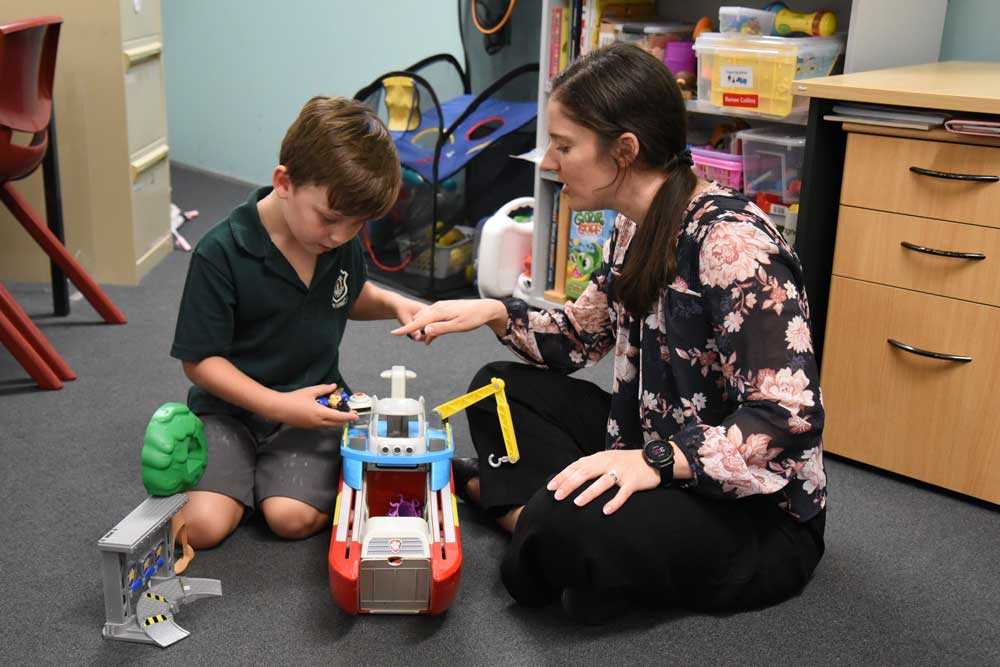
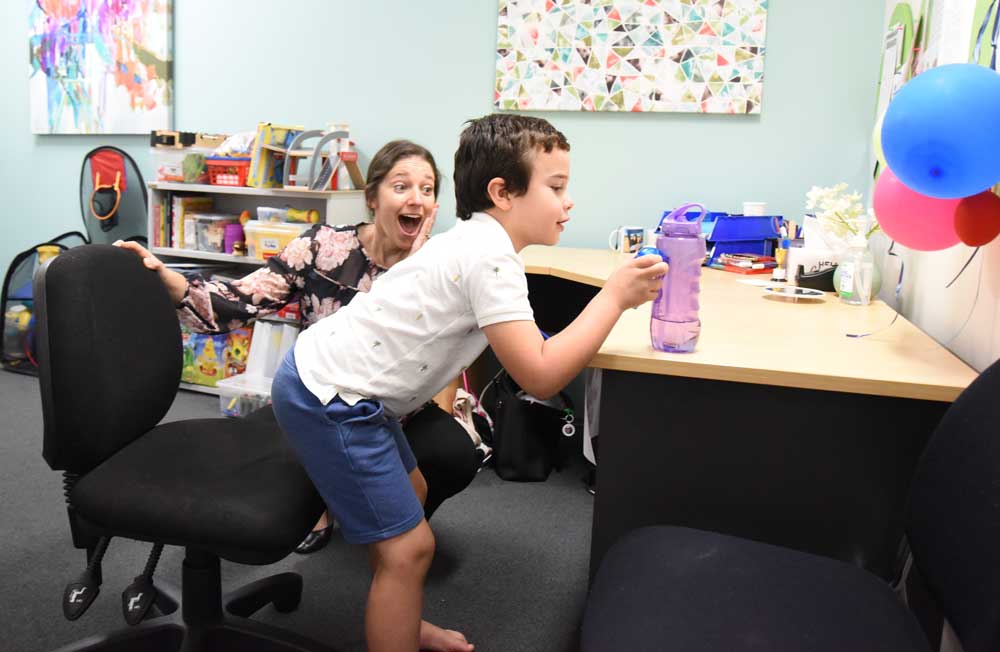
Well-planned school holiday programs in Caringbah can offer children a supportive environment to learn through play, creative activities and social interaction. For children who need additional support with communication or social participation, suitable programmes may also provide opportunities to practise these skills in a relaxed setting.
How School Holiday Programs for Children Support Development
Children learn through everyday experiences, not just formal lessons. Activities such as group games, storytelling, craft projects and simple cooking tasks can encourage several areas of development at once.
1. Building Communication and Language Skills
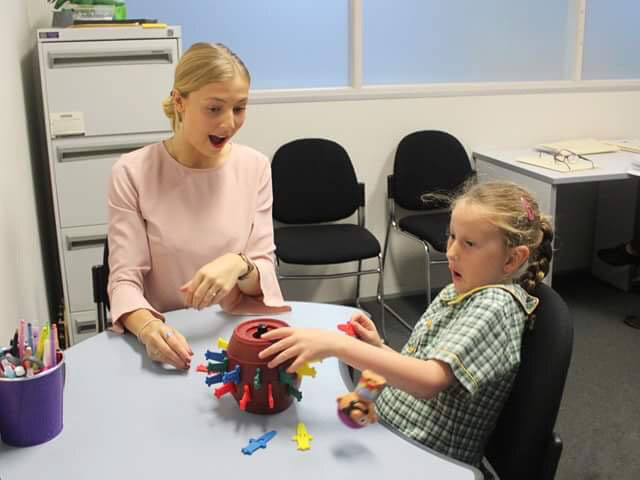
Communication develops when children have opportunities to express ideas, listen to others, ask questions and respond to different situations. During a group activity, a child might need to explain what they are making, request a missing item or take turns speaking.
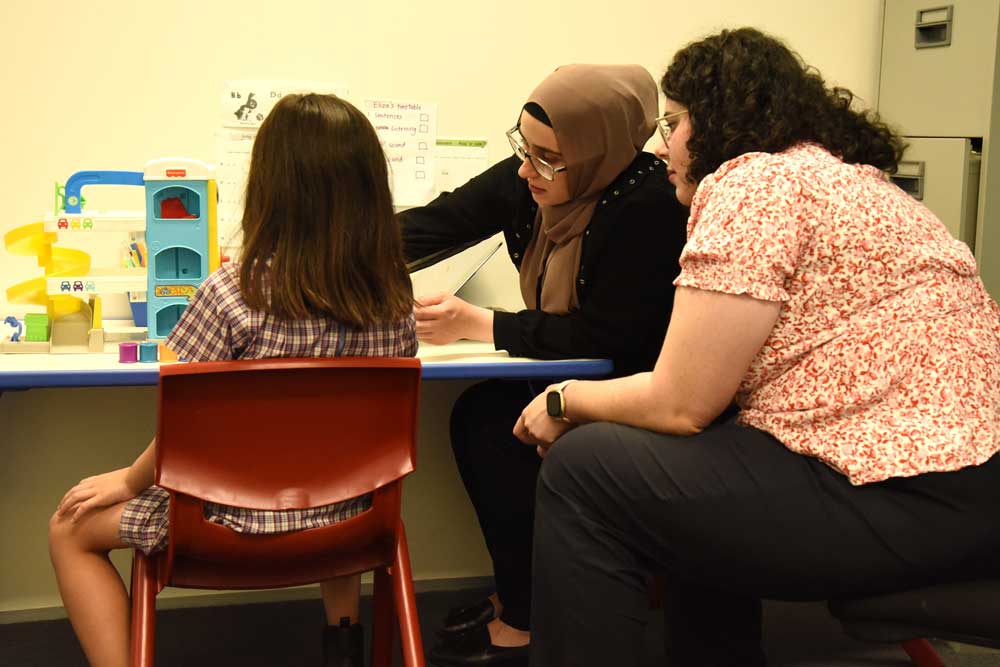
These small interactions can help children practise vocabulary, sentence formation, listening and conversational skills. Speech therapy holiday programs Caringbah may be suitable for families seeking structured opportunities for children to practise communication goals during school breaks, depending on the programme and the child’s individual needs.
Parents can reinforce these skills at home by reading together, discussing daily activities and encouraging children to explain their thoughts without rushing to answer them.
2. Supporting Emotional Development in Children
Emotional development in children involves recognising feelings, expressing them appropriately and gradually learning how to manage frustration, disappointment and excitement.
School holiday activities provide everyday situations in which children can practise these skills. For example, a child who has to wait for a turn during a board game may learn patience, while a group craft activity can create opportunities to handle mistakes and try again.
Adults can support emotional growth by naming feelings, acknowledging children’s concerns and demonstrating calm problem-solving. The goal is not to prevent every difficult emotion, but to help children understand their feelings and develop appropriate ways to respond.
3. Encouraging Social Skills and Friendships
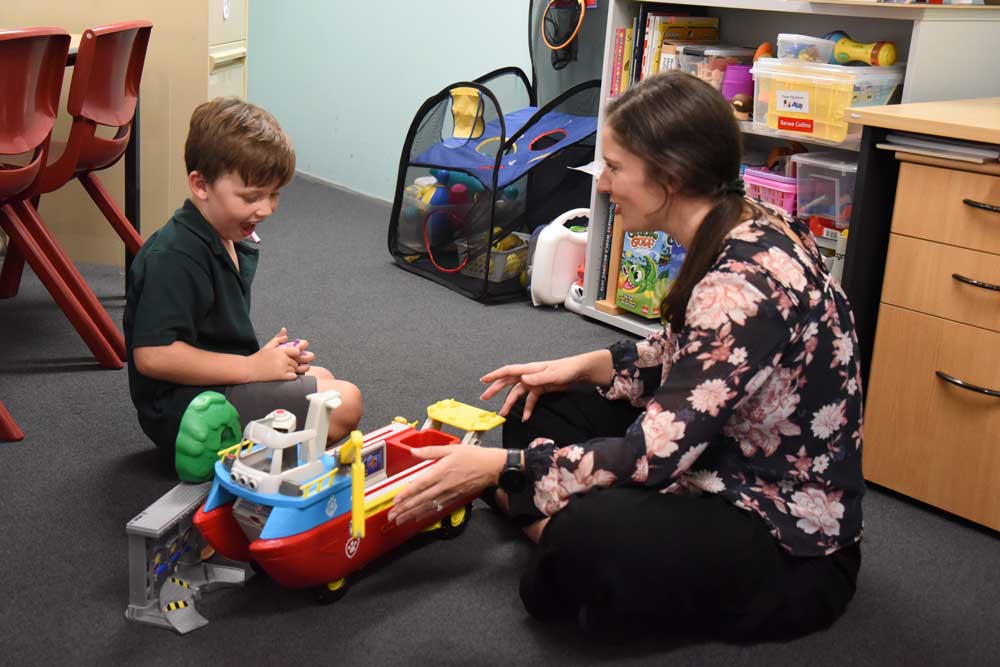
Playing with other children gives children opportunities to practise sharing, cooperation, negotiation and conflict resolution. These skills often develop gradually, and children may need different levels of guidance.
During a team activity, children can learn to listen to suggestions, contribute ideas and recognise that others may have different opinions. Supportive adults can model respectful communication and help children resolve disagreements without immediately taking over.
For children who find group interactions challenging, smaller activities, clear instructions and predictable routines may make participation more comfortable.
Why Structured Holiday Activities Can Help Children Learn
Unstructured play is valuable, but some children also benefit from activities with a clear purpose and consistent support. Well-designed school holiday learning programs Caringbah may combine enjoyable experiences with opportunities to practise specific developmental skills.
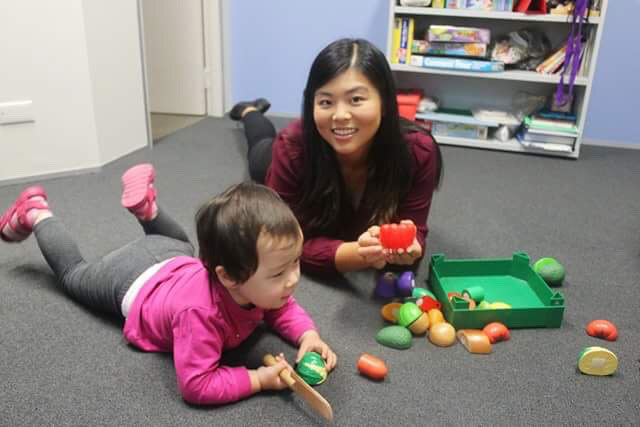
For example, a storytelling activity can encourage sequencing and vocabulary, while a collaborative building task can involve planning, turn-taking and problem-solving. Cooking activities may support following instructions, describing ingredients and completing steps in order.
Programmes should be appropriate for children’s ages, abilities and interests. A useful activity offers enough challenge to encourage learning without making children feel overwhelmed.
Choosing the Right Holiday Program for Your Child
Before enrolling, parents should consider what their child enjoys, where they need support and how they respond to group environments.
Look for programmes that offer:
- Clear goals: Activities should have a practical purpose, such as encouraging communication, cooperation or independence.
- Appropriate support: Staff should understand how to adapt instructions and activities to different needs.
- Safe participation: Ask about supervision, emergency procedures, accessibility and relevant staff qualifications.
- Balanced activities: Children benefit from a mix of movement, creativity, social interaction, rest and free play.
- Family communication: Parents should understand what activities involve and how progress or concerns will be discussed.
Some families may consider children’s holiday therapy programs Caringbah when a child would benefit from additional developmental support. Ask the provider what the programme includes, whether activities are delivered by appropriately qualified professionals and how the approach relates to your child’s needs.
Where individualised therapy is being considered, discuss goals and suitability with the treating professional rather than assuming every group programme provides the same clinical support.
Common Misconceptions About Holiday Programs
“Children should spend every holiday learning.” Children need downtime too. Rest, family time and independent play are important parts of healthy development.
“One programme suits every child.” Children’s interests, communication abilities, sensory preferences and support needs vary. A suitable programme should recognise these differences.
“Progress must be immediate.” Development happens at different rates. A child joining a conversation, asking for help or coping better with a small change can represent a meaningful step, even if progress is gradual.
Practical Tips for Parents
Help your child prepare by explaining the routine, discussing what to expect and allowing time for questions. If unfamiliar settings make them anxious, ask whether the provider can explain the activities in advance.
After each session, use open-ended questions such as, “What was something you enjoyed today?” or “Was anything difficult?” Avoid turning every conversation into a test. Listening carefully can help you understand your child’s experience and identify where additional encouragement may be useful.
For children receiving speech or developmental support, ask the relevant professional which everyday skills can be practised during the holidays. Consistency between home, therapy and group activities may help children use familiar skills in different situations.
Conclusion
Meaningful holiday activities can give children opportunities to develop communication, confidence, independence, social participation and emotional awareness beyond the classroom. The most suitable school holiday programs in Caringbah balance purposeful activities with play, rest and individual support.
For families considering a structured programme, Speak, Learn and Grow Speech Pathology Services may be a relevant option to explore. Discuss your child’s needs and the programme’s specific approach with the team to determine whether it is an appropriate fit for your family.
Frequently Asked Questions
1. What age can children attend school holiday programs?
Age requirements vary by provider and activity. Check the recommended age range, group structure and level of supervision before enrolling. The programme should suit your child’s developmental needs, not just their age.
2. Can holiday programs help children improve communication?
They can provide opportunities to practise listening, asking questions, turn-taking and expressing ideas. The benefits depend on the activities, adult support and child’s individual needs. A general holiday programme is not a substitute for individual speech pathology when clinical support is required.
3. Are therapy-based holiday programs suitable for every child?
No. Suitability depends on the child’s goals, support needs and the programme’s format. Parents should discuss the available activities, professional qualifications and expected outcomes with the provider before making a decision.
4. How can parents support learning after a holiday program?
Talk about enjoyable experiences, practise useful skills through everyday routines and encourage independence with age-appropriate tasks. Keep activities relaxed and avoid putting pressure on children to demonstrate progress.
5. How do I know whether a program is right for my child?
Ask about the programme’s goals, daily structure, staff experience, supervision arrangements and support for individual needs. Consider your child’s interests and comfort level, and share relevant information with the provider before enrolment.