My Child Understands Everything but Barely Speaks – Should I Be Concerned?
Does your child follow instructions, recognise familiar objects and understand everyday conversations but rarely use spoken words? Many parents notice this difference and wonder whether their child will eventually start talking more.
When My Child Understands Everything but struggles to express thoughts verbally, it can be difficult to know whether to wait or seek professional advice.
Understanding language and using spoken language are connected, but they are different developmental skills. A child may understand more words than they can say. However, limited speech should not automatically be dismissed as a phase.
For families considering preschool speech screening in Caringbah, understanding the signs, communication milestones and available support can help make the next step less stressful.
Why Does My Child Understand Everything but Barely Speak?
Children develop communication skills at different rates. Some understand familiar instructions, recognise names and respond through gestures but use fewer spoken words than expected for their age.
Understanding is called receptive language, while expressing thoughts through words, sentences and gestures involves expressive language.
For example, a child might understand “Bring your shoes and sit near the door” but respond by pointing, reaching or making sounds instead of speaking.
Possible areas worth exploring include:
- Expressive language development.
- Speech sound difficulties.
- Hearing difficulties.
- Communication and interaction skills.
- Difficulties combining words into sentences.
These observations do not establish a diagnosis. A professional assessment can help clarify what support, if any, may be appropriate.
Signs Parents Should Look Out For
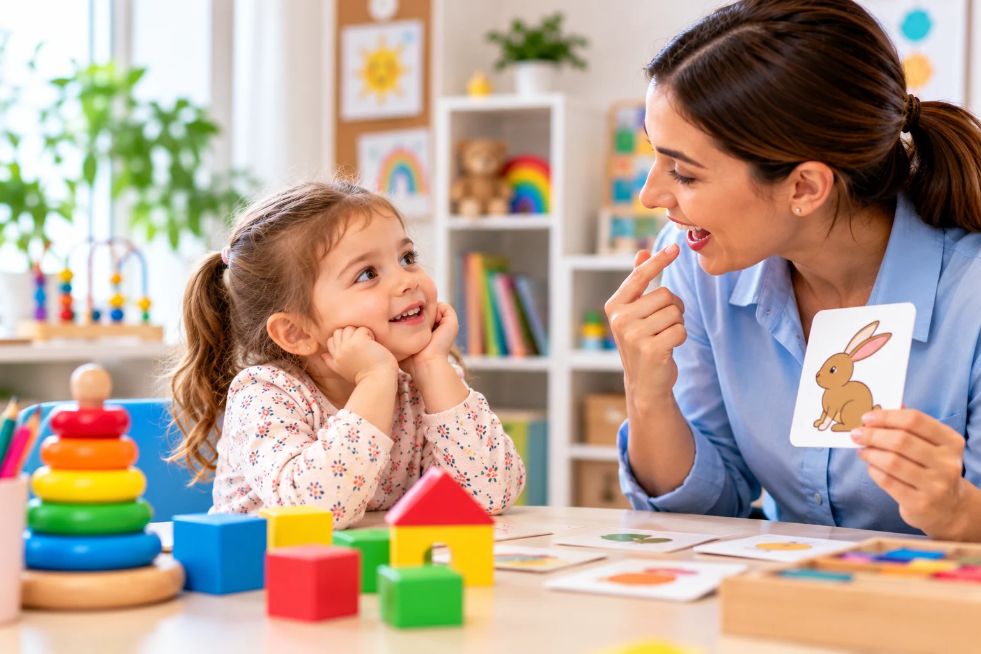
Consider seeking advice if your child:
- Uses gestures instead of spoken words most of the time.
- Has difficulty learning or using new words.
- Rarely combines words into short phrases when expected for their age.
- Becomes frustrated when others cannot understand them.
- Finds it difficult to communicate needs and choices.
- Has stopped using words or communication skills they previously had.
A loss of previously acquired communication skills should be discussed promptly with a healthcare professional.
Every child is different, so consider their overall communication rather than comparing them with another child.
Why Early Speech Screening Caringbah Can Be Helpful
An early speech screening Caringbah appointment can help parents understand their child’s current communication strengths and identify areas that may need further assessment.
Screening may explore:
- Understanding familiar words and instructions.
- Use of spoken words and gestures.
- Ability to communicate needs.
- Interaction during play.
- Speech clarity and early language skills.
A screening is not the same as a comprehensive assessment or diagnosis. If concerns are identified, a speech pathologist can recommend whether further assessment or support is appropriate.
What Happens During Speech and Language Screenings?
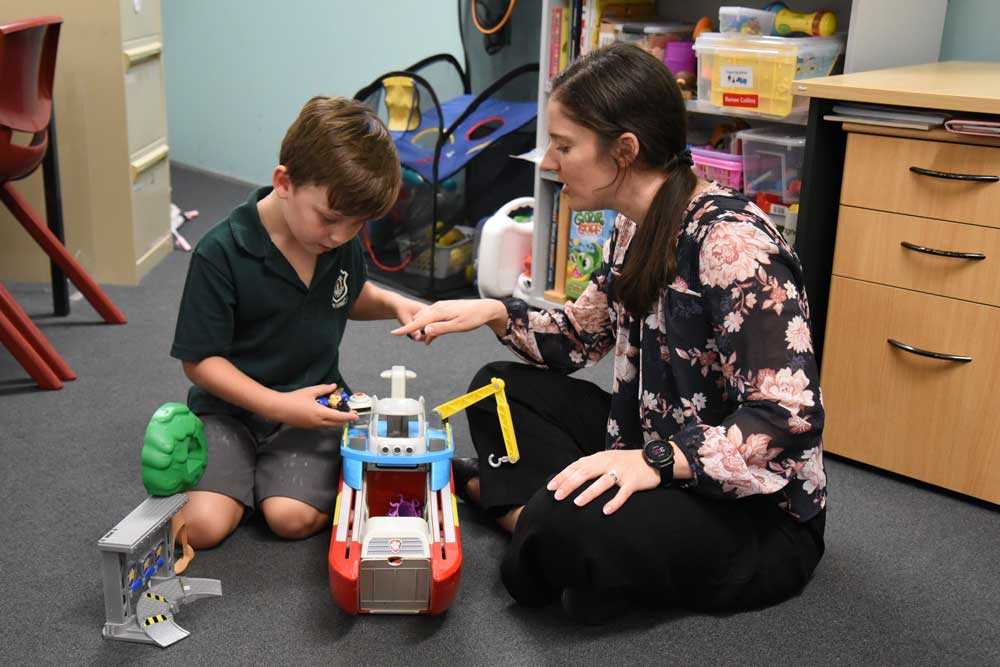
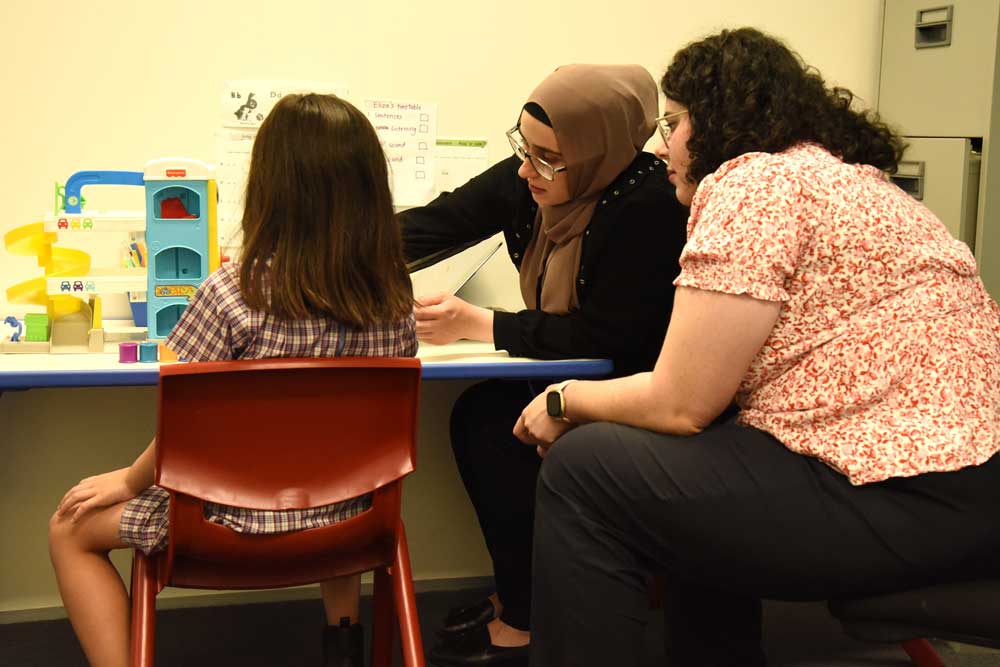
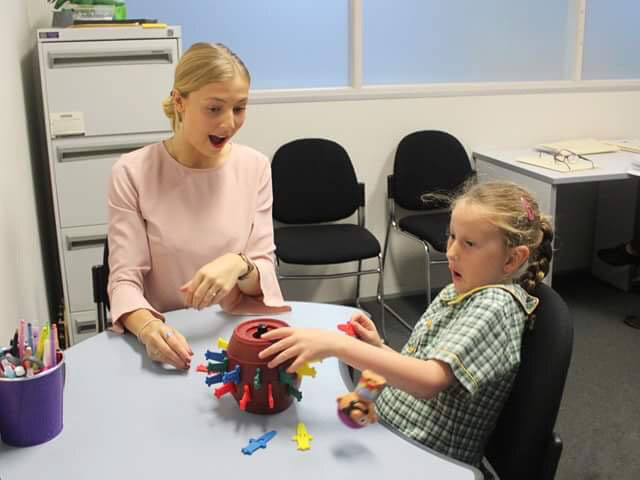
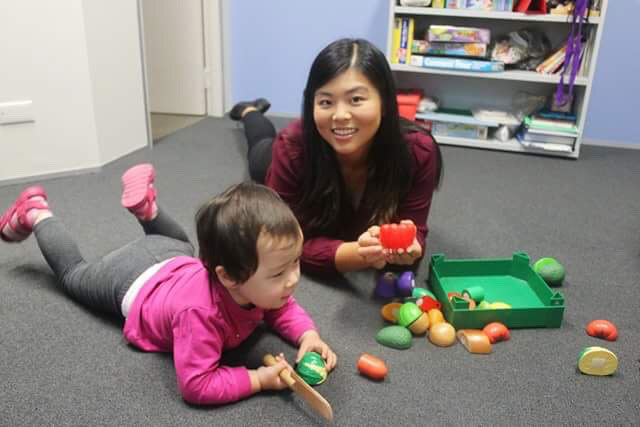
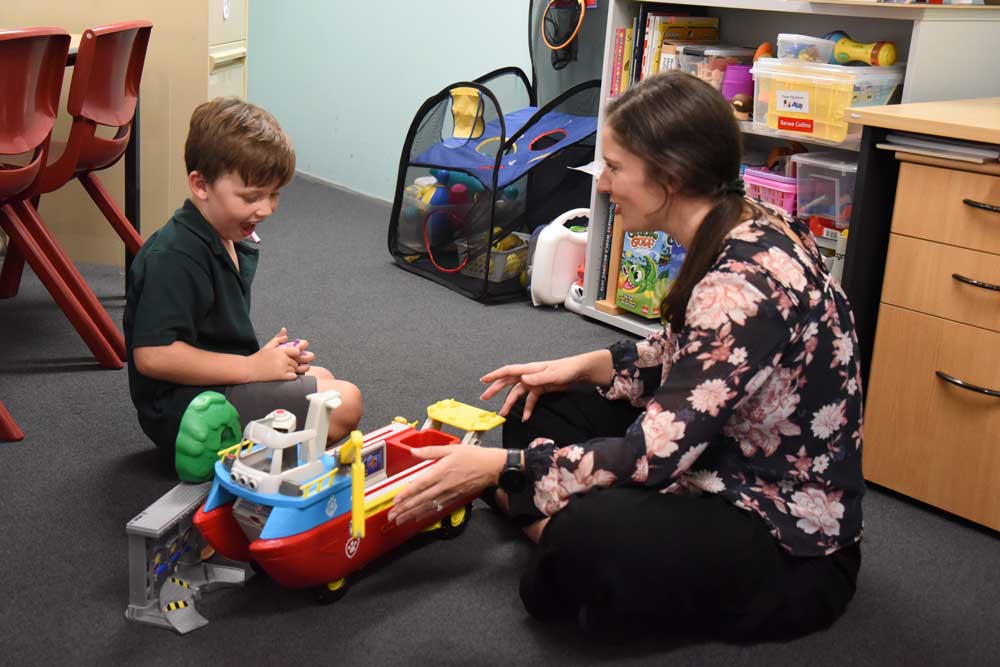
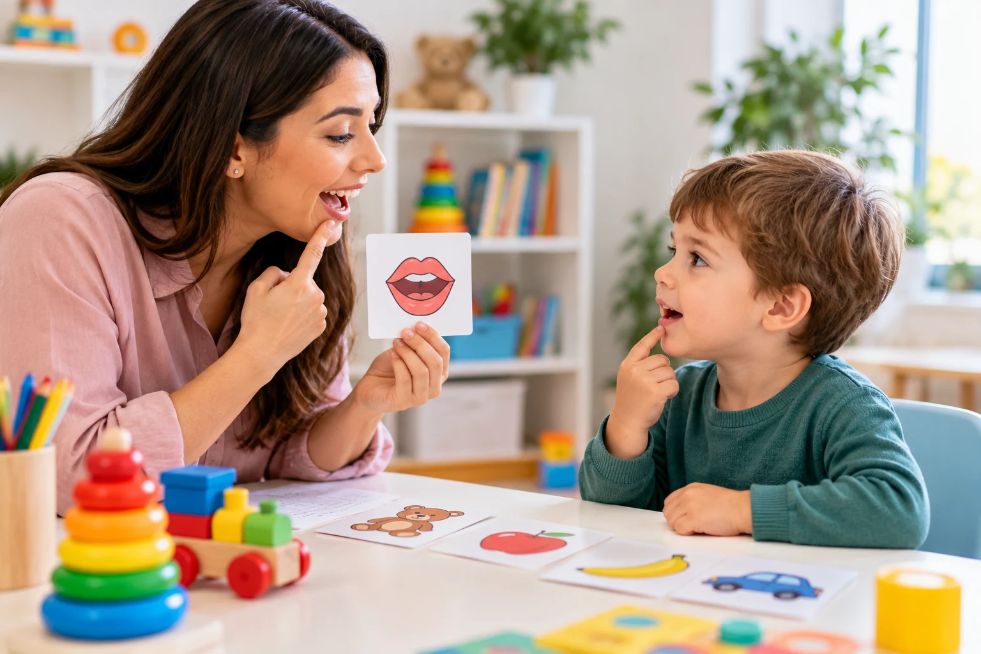
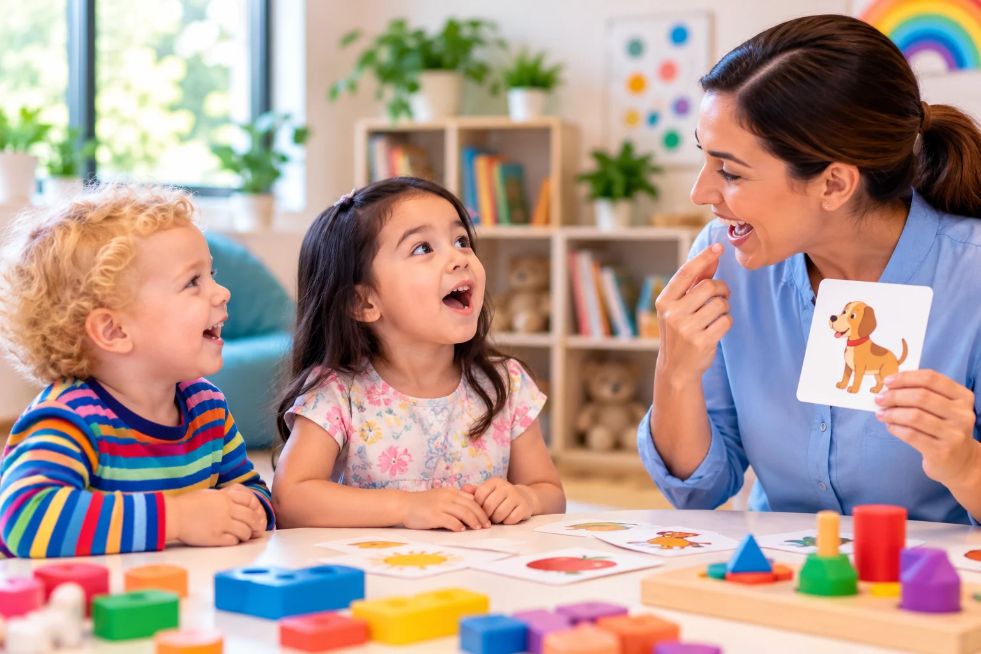
During Speech and Language screenings, a speech pathologist may use familiar toys, pictures, games and everyday activities to observe how a child communicates.
Parents may be asked about:
- Their child’s first words and communication development.
- How the child communicates at home.
- Languages spoken within the family.
- Responses to instructions and questions.
- Interactions with other children.
A preschool communication screening Caringbah can provide useful information about a child’s communication abilities before they move into a more structured learning environment.
Hearing should also be considered. Parents can discuss a hearing assessment with their GP or an audiologist, as hearing difficulties may affect speech and language development.
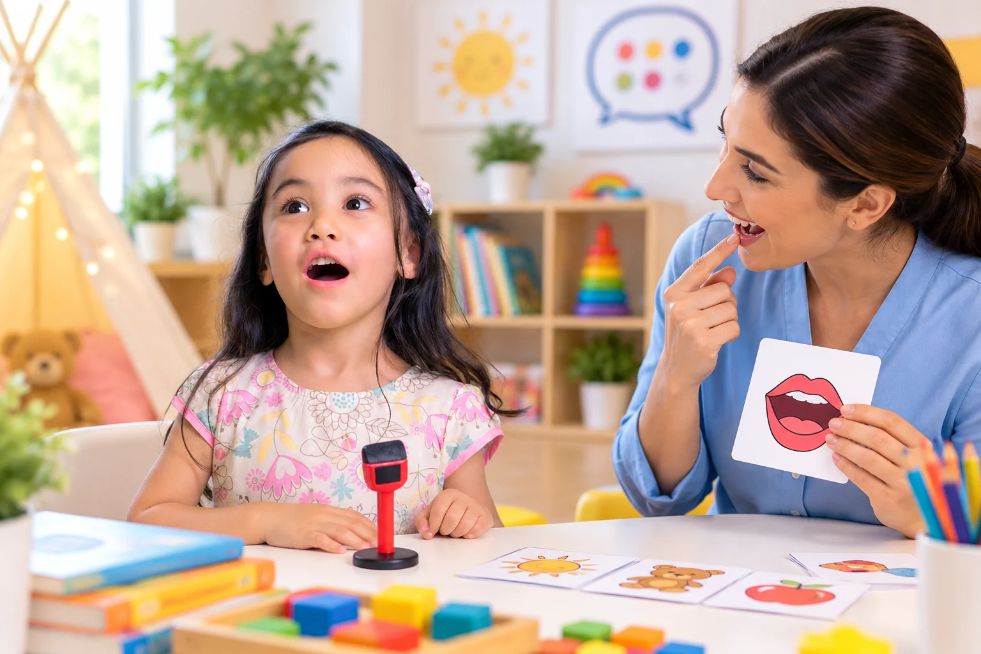
How Parents Can Encourage More Communication at Home
Small everyday interactions can create opportunities for children to practise communication.
Follow your child’s interests: If your child is playing with a toy car, use simple phrases such as “car goes” or “big car”.
Allow time to respond: Ask a simple question and pause. Children may need extra time to process language and communicate.
Read together: Talk about pictures, name familiar objects and encourage your child to point, gesture or make sounds.
Offer simple choices: Ask “Apple or banana?” and give your child time to respond using words, gestures or pictures.
Model language naturally: If your child says “ball”, you can respond with “Yes, big ball” rather than repeatedly asking them to repeat a longer phrase.
The aim is to make communication enjoyable, not turn every interaction into a test.
How Speak, Learn and Grow Speech Pathology Services Supports Families
Understanding a child’s communication strengths is an important starting point for choosing appropriate support.
Speak, Learn and Grow Speech Pathology Services recognises the importance of helping parents understand their child’s speech and language development.
Families concerned about limited spoken language can explore whether a screening or further assessment may be suitable. The focus should be on understanding the child’s individual communication needs and helping parents identify practical ways to encourage everyday interaction.
Parents do not need to wait until communication difficulties become more noticeable before asking questions.
Conclusion
When My Child Understands Everything but barely speaks, it is understandable for parents to have questions. Strong understanding is encouraging, but expressive communication also deserves attention.
A suitable preschool speech screening in Caringbah can help families understand their child’s communication development and decide whether further support is needed.
Speak, Learn and Grow Speech Pathology Services encourages parents to take their concerns seriously, seek professional guidance and support communication through positive everyday interactions.
Frequently Asked Questions
1. Can a child understand everything but still have speech difficulties?
Yes. Understanding language and expressing it verbally are different skills. Some children understand familiar instructions and conversations but have difficulty finding words or combining them into sentences.
2. Should I worry if my preschooler uses gestures instead of words?
Gestures are a valuable part of communication. However, if your child relies heavily on gestures and uses fewer spoken words than expected for their age, discussing this with a speech pathologist is worthwhile.
3. Is speech screening the same as a speech assessment?
No. Screening identifies possible areas of concern, while a comprehensive assessment explores communication abilities in greater detail. Further assessment may be recommended following screening.
4. Can hearing difficulties affect speech development?
Yes. Children need access to speech sounds to learn spoken language. If you have concerns about your child’s talking or hearing, discuss a hearing assessment with your GP or an audiologist.
5. When should I seek preschool speech screening in Caringbah?
Consider seeking advice whenever you notice persistent concerns about your child’s communication, particularly if they use very few words, struggle to express needs or lose previously acquired skills. Early guidance can help clarify the next steps.