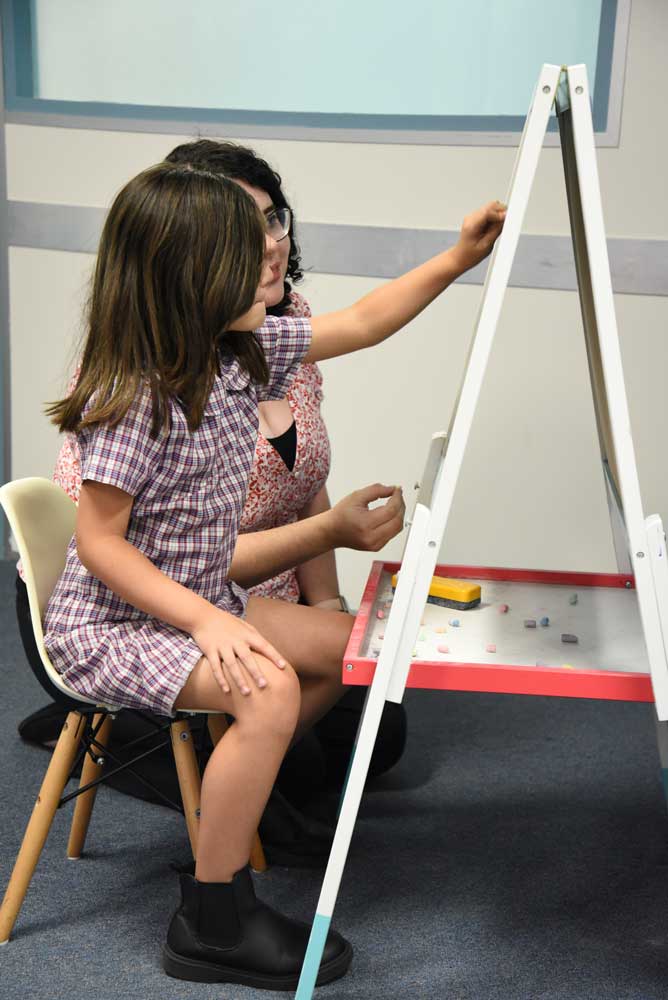
school. Further, it allows them to gain knowledge and comprehension and express themselves accurately. The science
of reading can help recognize each child’s individual needs and respond to their learning patterns. For children who
are facing obstacles when learning to read and write, getting
literacy and reading therapy in Caringbah at a young age could be extremely beneficial.
The science of reading is a vast research-based approach to reading instruction. It explores the different ways
children learn to read and identifies which skills are crucial for developing readers. Going to a speech pathologist
for literacy in Caringbah can help with understanding problems and suggesting therapies. Let’s learn about the
importance of literacy therapy and how it can reduce writing difficulties.
What Is the Science of Reading?
The science of reading is based on thousands of studies that indicate the different processes in the brain when
learning to read and their connections. It highlights that reading is a complex process that requires multiple
skills. To begin, it is important for children to acquire word recognition. The science of reading breaks down
reading into two key areas:
1. Word recognition: the ability to read words accurately and fluently;
2. Language comprehension: understanding of words, sentences, and the overall context of the text.
It is essential to focus on both aspects of reading. A child can be good at decoding but struggle with understanding
the material. In turn, a child can also be strong at comprehension but have difficulties with breaking down words.
Why Early Reading Skills Matter
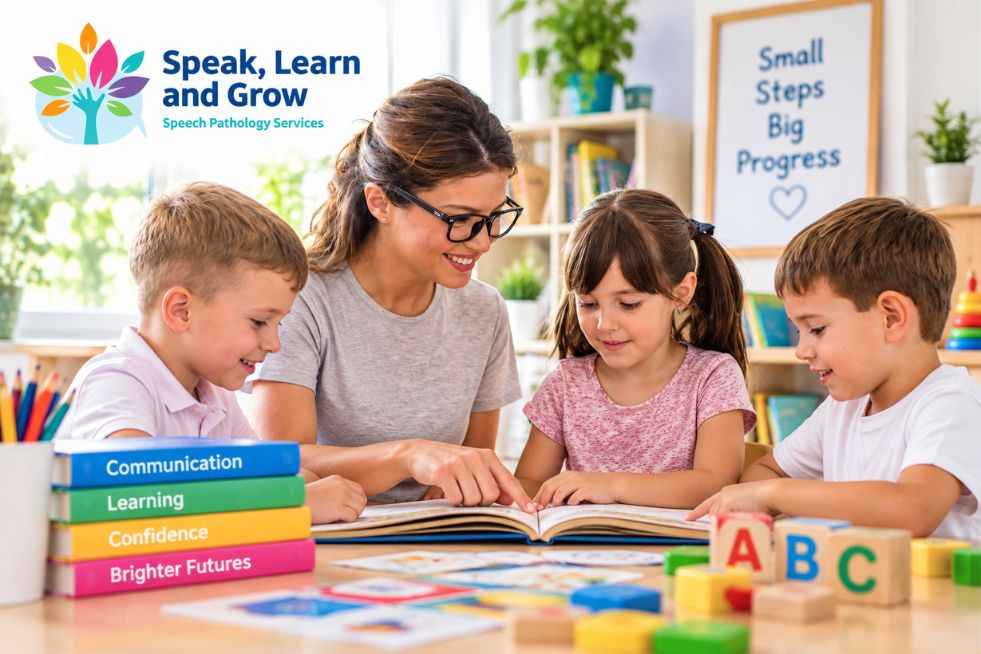
Early reading skills provide the base for later learning. Children use reading in almost every school subject. They
read instructions in maths. They read science information. They read stories and questions. They also need reading
skills to complete homework and independent tasks. Parents can also support these skills at home.
Simple activities can include:
- Reading together for 10–20 minutes
- Talking about new words
- Playing sound games
- Asking questions about stories
- Encouraging children to write
- Looking at books together
Small activities done regularly can give children useful practice.
Understanding Phonological Awareness
Phonological awareness is the ability to notice and work with sounds in spoken words.
Children may learn to:
- Hear rhyming words
- Count syllables
- Identify beginning sounds
- Blend sounds
- Break words into sounds
- Change sounds in words
For example, a child may learn that the word ‘sun’ has three sounds: /s/, /u/, and /n/.
The Role of Phonics in Reading
Phonics helps children to understand the relationships between letters and sounds. For example, a child may learn
that the letter m makes the /m/ sound. They might learn to put sounds together to make words. Phonics helps kids to
decode unfamiliar words, rather than trying to memorize or guess the word from the picture.
Building Strong Vocabulary
The fact that a child can read a certain word does not necessarily mean that he or she understands it. Having good
vocabulary is essential for reading comprehension. Children must be able to understand words that they encounter
when reading.
Reading Fluency Also Matters
Parents can support reading fluency by:
- Reading aloud to children
- Reading the same short text more than once
- Taking turns reading
- Encouraging accurate reading
- Talking about what was read
Do not focus only on speed. Accurate reading and understanding are more important than simply reading as fast as
possible.
Reading Comprehension: Understanding the Message
Reading comprehension means understanding and analyzing what has been read.
Try questions such as:
- What happened?
- Whose story is this?
- Why did the character do that?
- What do you think will happen next?
- What was the theme of the story?
- Can you retell this story using your own words?
These questions make children think beyond single words. The teacher also makes use of various texts to develop
comprehension skills. Such texts could be stories, information texts, instructions, and classroom texts.
Why Writing and Reading Work Together
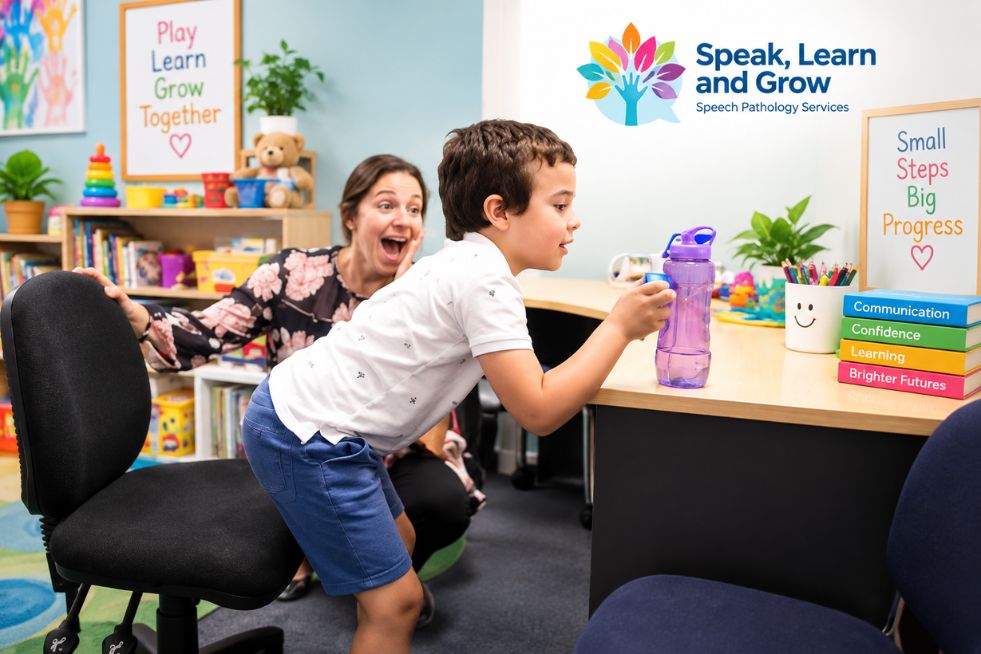
Reading and writing are closely connected. Children use many of the same language skills for both. Reading and
writing are two sides of the same coin. Children utilize much of the same linguistic skills while reading and
writing.
Reading difficulties therapy in Caringbah
also focuses on the reading and writing combinations.
A child who has problems reading will also have problems with writing. The child might have problems with spelling,
sentence construction, vocabulary, or organization. Writing activities can aid in reading development.
Simple writing activities can include:
- Writing a short shopping list
- Describing a picture
- Writing a few sentences about the day
- Creating a short story
- Keeping a simple journal
The activity should match the child’s age and skill level. They can also reduce
writing difficulties.
Signs a Child May Need Reading Support
Children develop at different rates. Some difficulty is normal when a child is learning a new skill. However,
ongoing difficulties should not be ignored.
Some signs may include:
- Difficulty learning letter sounds
- Trouble remembering common words
- Frequent guessing when reading
- Slow or effortful reading
- Difficulty understanding what was read
- Avoiding books
- Trouble spelling common words
- Difficulty writing sentences
- Becoming frustrated during reading tasks
How Literacy Therapy Can Help
However, literacy and reading therapy in Caringbah can provide structured support for children who
are having difficulty with reading and writing.
The first step is understanding what the child can already do. A professional may look at areas such as:
- Speech sounds
- Phonological awareness
- Phonics
- Word reading
- Reading fluency
- Vocabulary
- Comprehension
- Spelling
- Written language
The support can then focus on the child’s specific needs. For example, one child may need help with
sound-letter connections. Another may need support with reading fluency or comprehension.
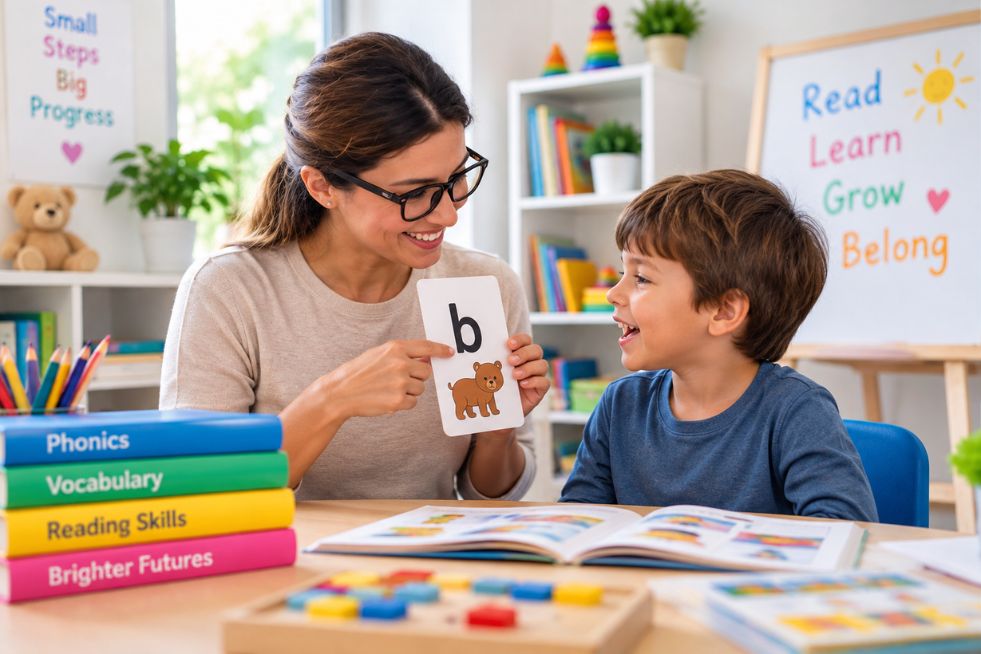
When to Consider Reading Difficulties Therapy
Reading difficulties therapy in Caringbah may be helpful when a child continues to struggle despite regular
classroom instruction and home practice.
It may also be worth seeking advice if reading difficulties are affecting:
- Schoolwork
- Homework
- Confidence
- Participation in class
- Writing
- Enjoyment of books
Working With a Speech Pathologist for Literacy
A speech pathologist for literacy in Caringbah can evaluate your communication and literacy skills. Based on the
results, therapy is prescribed. This may address sound awareness, language, reading, spelling, writing, or
comprehension. A speech pathologist can also counsel parents and teachers. This can ensure that the child is
receiving appropriate instruction and support throughout the day.
Reading and Writing Support in Caringbah
Families looking for reading and writing support in Caringbah should look for services that use clear goals and
evidence-informed methods. Ask how parents will receive updates.
A useful support plan should explain:
- What skills need support
- What the child will practise
- How often sessions may occur
- How progress will be checked
- What parents can do at home
Progress should be monitored over time. Simple measures can help show whether a child is improving.
What Parents Can Do at Home
Parents do not need to become teachers to support literacy. Small daily activities can help. Try setting aside 10–20
minutes for shared reading. Let your child choose some books. Talk about pictures and new words. Ask questions about
the story.
How Teachers and Parents Can Work Together
In general, children tend to learn more when the people around them are communicating. Parents can raise their
concerns with teachers. Teachers can describe their observations of the child in class.
Even if the child is having therapy sessions, collaboration between the parents, school, and therapists would be
effective in certain circumstances. All parties can work towards similar objectives.
For instance, if the child is undergoing therapy that involves mastering certain sound combinations, parents and
teachers can help him learn by using reading and writing support materials.

Why Evidence Matters in Literacy Support
Evidence-based support is always preferable. Parents often see many different reading programs online. Some make
strong claims about fast results. It is important to ask what evidence supports a particular approach. The Science
of Reading is not one program or one brand. It is evidence-based, which means that it comes from a huge amount of
research into how reading works. Additionally, literacy intervention in Caringbah must also take
into account the individual child. Because there is no single approach that will have the same impact on every
child.
Conclusion: Building Confidence Along With Reading Skills
Children who have reading or writing difficulties often feel frustrated and give up, believing
themselves to be ‘bad’ at reading.
Literacy and reading therapy in Caringbah
can change this. Celebrating achievements and working through challenges in small steps helps to build confidence
and instill a love of reading.
For example, children who find it difficult to focus on reading might find it easier to start with just five minutes
of focused reading, taking care to concentrate fully on the words. The five minutes could then be extended to six,
gradually building up the child’s confidence. To learn about reading difficulties therapy in Caringbah,
you can contact Speak, Learn and Grow Speech Pathology Services.
FAQs
What is the science of Reading?
The science of reading is a growing body of research that examines the cognitive processes involved in learning to
read. It focuses on areas such as phonological awareness, phonics, fluency, vocabulary development, and reading
comprehension.
2. How much should my child be reading every day?
Each child’s needs are different. Practicing literacy for 10-20 minutes per day can be a great place to start
since it doesn’t require a large time commitment. However, the reading activities should be engaging and
appropriate for their developmental level.
3. When should I seek reading difficulties therapy in Caringbah?
If your child is struggling with reading difficulties that persist over time, it may be helpful to consult with
literacy and reading therapy in Caringbah. A qualified speech pathologist for literacy in Caringbah can evaluate
literacy skills and offer targeted guidance with building foundational components of reading.
4. Can a speech pathologist help with literacy?
A qualified literacy interventionist in Caringbah can work with kids with various learning needs. A speech
pathologist for literacy in Caringbah can assess students’ communication and literacy skills and support them
with age-appropriate reading, spelling, language, writing, and comprehension activities.
5. Does every child with reading difficulty need literacy therapy?
No. Every child’s situation is different, so literacy therapy in Caringbah may not be necessary in some cases.