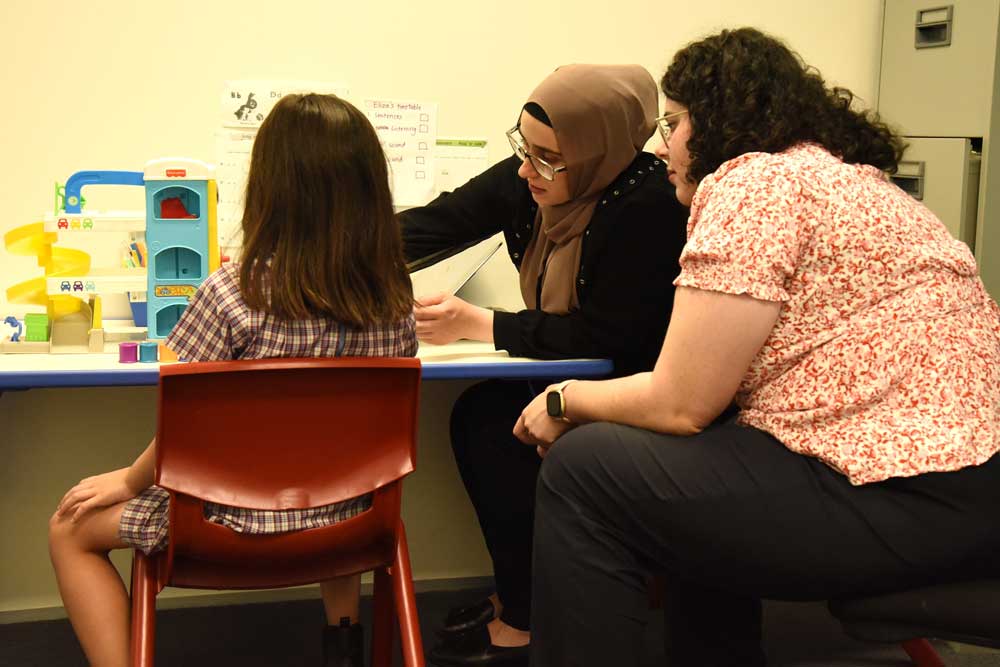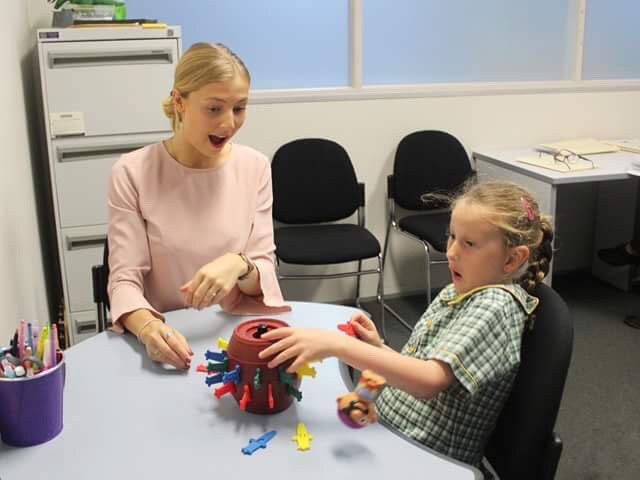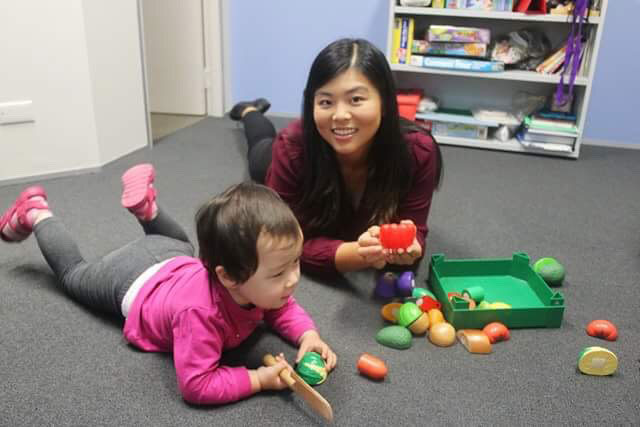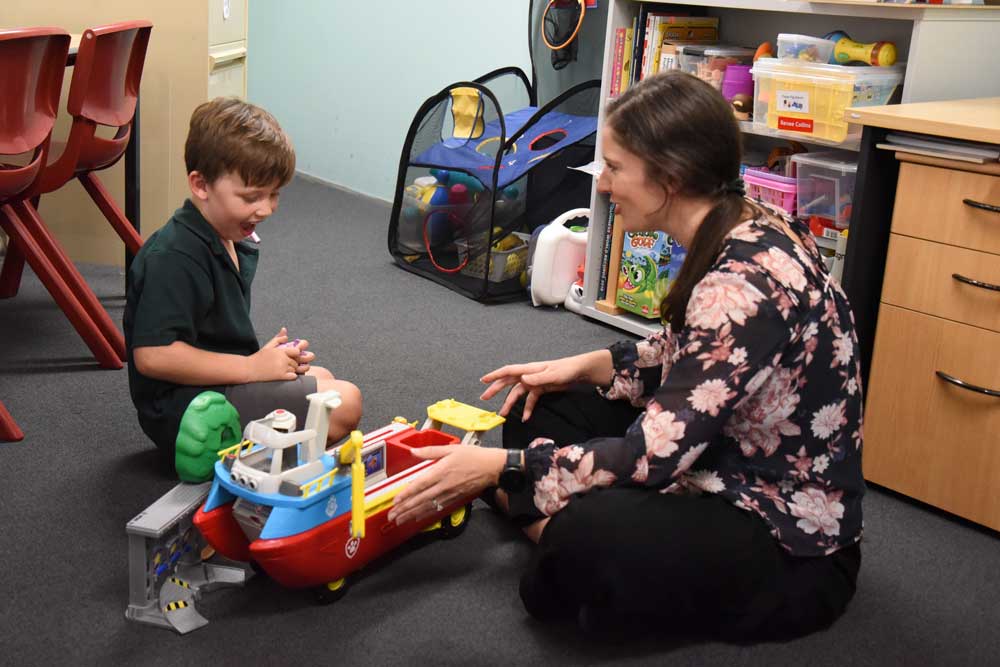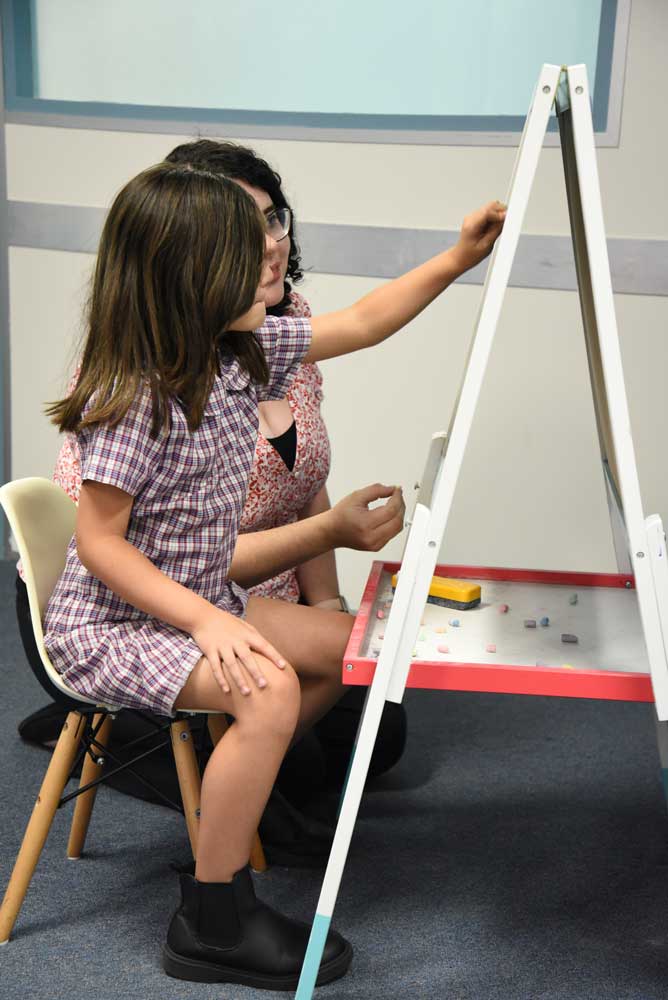

When parents observe a speech therapy session, they may notice that the same word, sound, or activity is repeated many times. This can sometimes raise questions such as, “Why are they practicing the same thing again and again?” or “Isn’t my child getting bored?”
In reality, repetition is one of the most powerful tools in speech therapy. It helps children strengthen new skills, build confidence, and eventually use those skills naturally in everyday conversations.
Repetition Helps the Brain Learn New Skills
Learning speech and language is a lot like learning any other skill, such as riding a bike or playing a musical instrument. The brain needs multiple opportunities to practice before the skill becomes automatic.
Each time a child repeats a sound, word, or sentence, the brain strengthens the neural pathways responsible for producing and understanding language. Over time, these pathways become faster and more efficient, allowing the child to use the skill more easily.
Without enough repetition, new skills may not stick.
Practice Builds Accuracy and Confidence

Speech therapy often focuses on helping children learn new ways to move their mouth, tongue, and lips to produce specific sounds or words. For example, if a child is learning to produce the /s/ sound, they may need many opportunities to practice saying it correctly in different words. Repeating the sound across many trials helps the child:
- Develop awareness of how the sound should feel and sound
- Improve their accuracy
- Build consistency
Children often also need time to feel confident using a new skill. When they repeat words or sounds successfully in therapy, they begin to realise: “I can do this!” This growing confidence encourages them to start using their new skills outside of therapy, such as at home, at school, or with friends.
Repetition Helps Skills Transfer to Everyday Life
One of the main goals of speech therapy is generalisation — when a child can use their new skills in everyday situations.
Practicing something only once or twice is usually not enough for it to transfer into daily conversation. Through repetition in therapy activities, games, and play, children have many opportunities to practice the same skill in slightly different ways. This helps them use it more naturally outside the therapy room.
Repetition Doesn’t Mean Boring
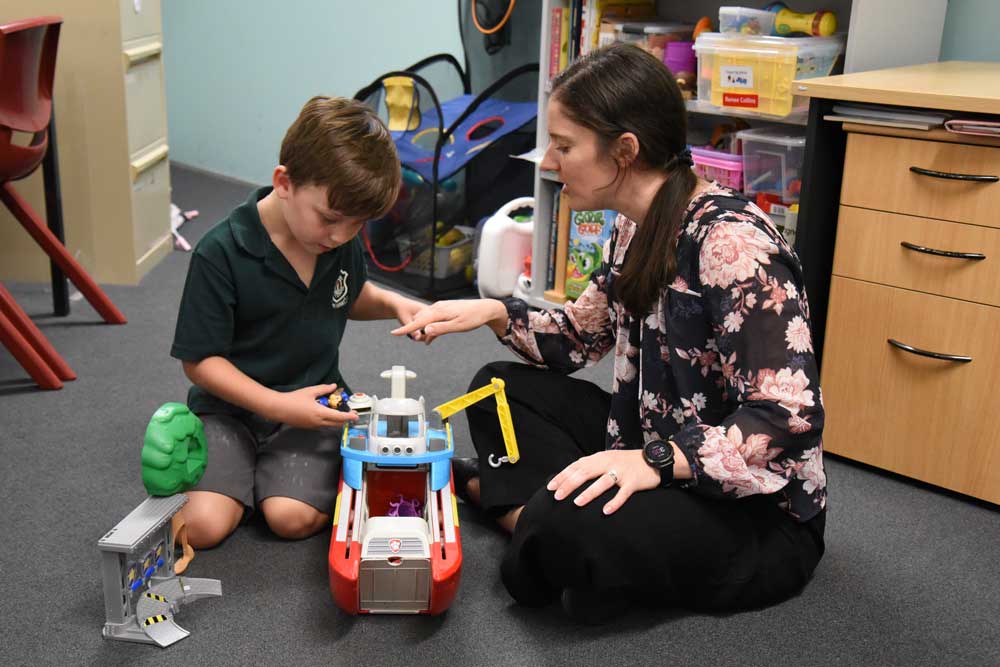
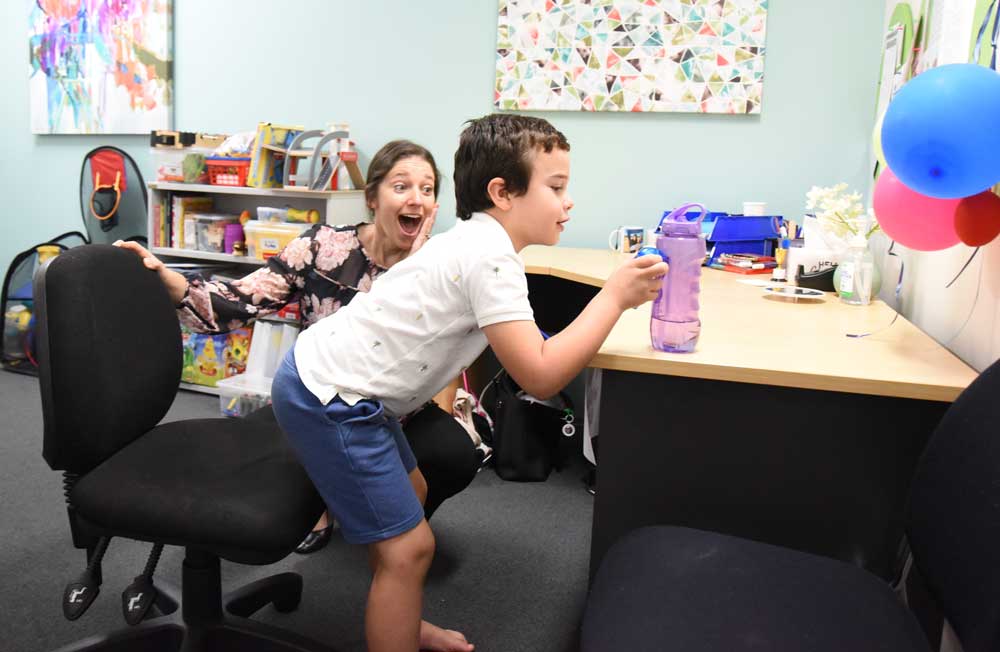
While repetition is important, speech therapy sessions are designed to keep children engaged and motivated.
Speech pathologists often use:
- Games
- Play-based activities
- Movement and interactive tasks
- Storybooks or toys
Even though the activity may change, the target skill remains the same, allowing the child to practice many times while still having fun.
 |
How Parents Can Support Repetition at HomeHome practice can make a big difference. A few minutes of practice each day helps reinforce what your child is learning in therapy. Some simple ways to include repetition at home include:
Even 5 minutes a day can help strengthen new skills, but consistency is key! |
The Takeaway
Repetition is a key ingredient in helping children learn, strengthen, and confidently use new speech and language skills. Through repeated practice in engaging activities, children gradually build the accuracy, confidence, and independence they need to communicate clearly in their everyday lives.
If you are ever unsure about why a particular activity or practice is used in therapy, your speech pathologist will always be happy to explain how it supports your child’s progress.