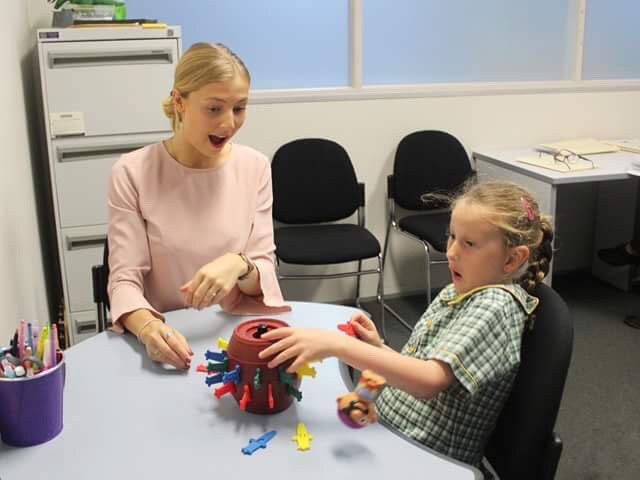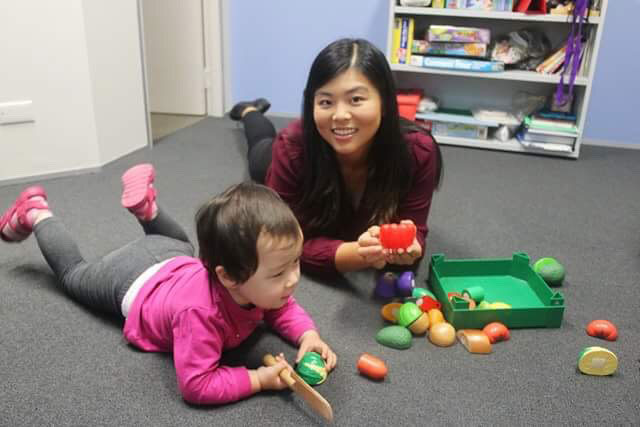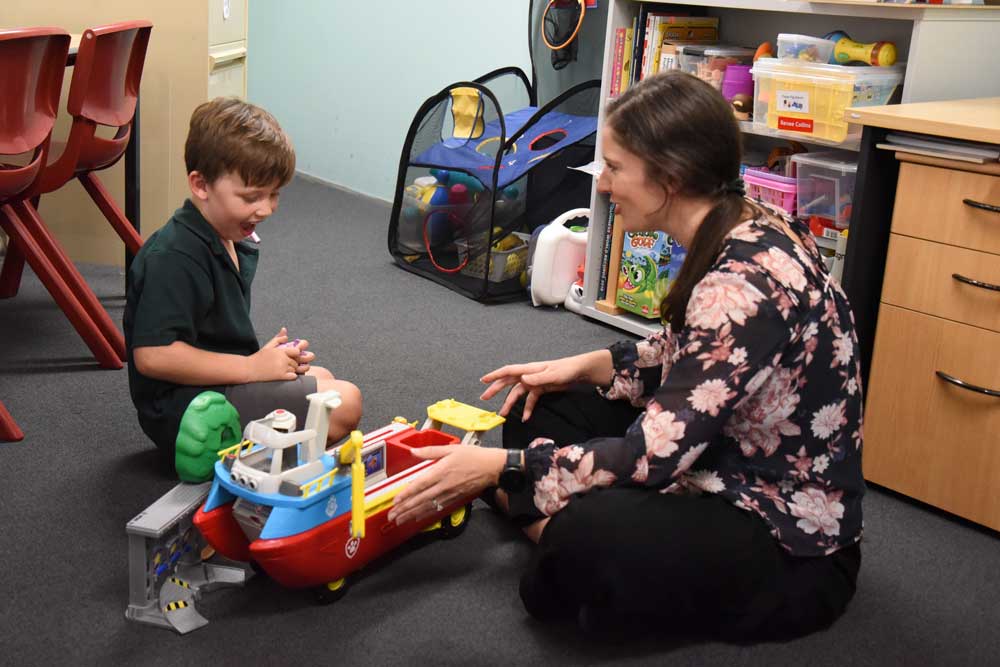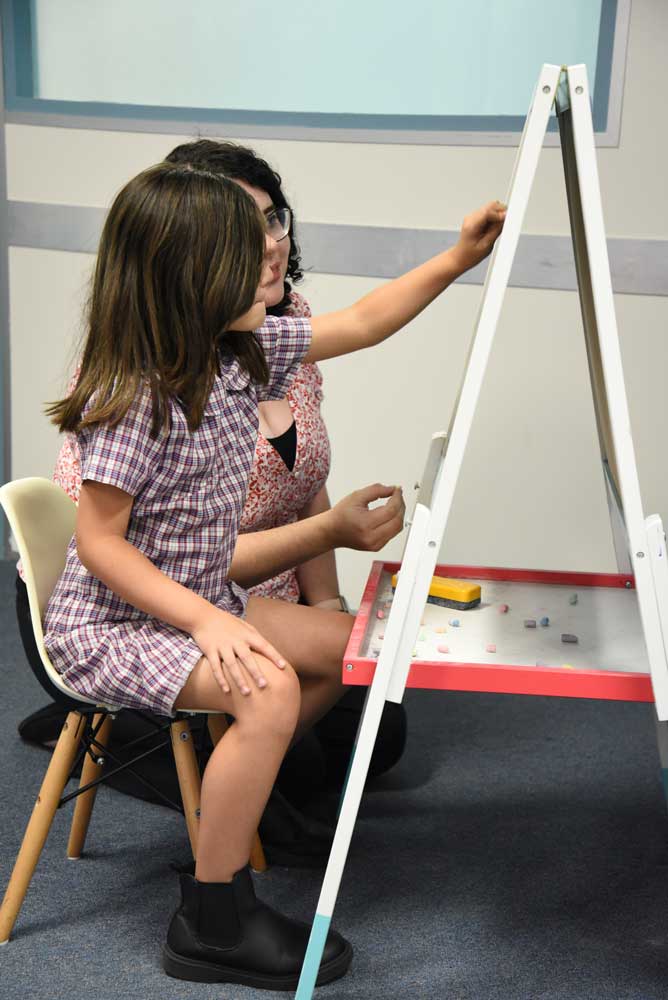
 Play is how children learn about their environment and about the world around them. I love this quote from Leo F. Buscaglia “It is paradoxical that many educators and parents still differentiate between a time for learning and a time for play without seeing the vital connection between them”. We know that play is essential for learning but what is child-led play and how can we implement it while still achieving our therapeutic goals?
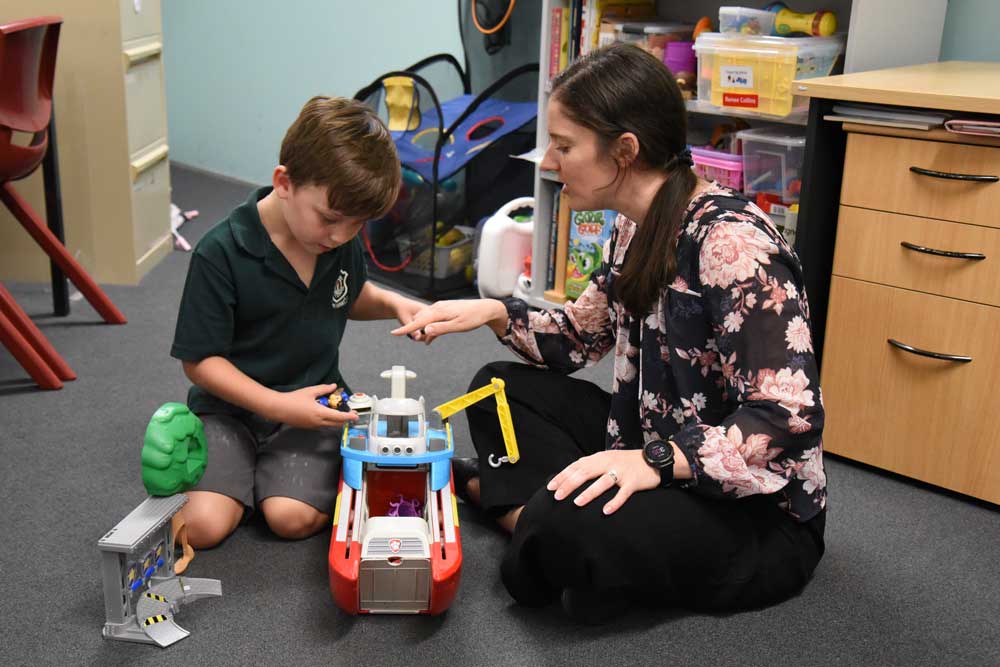
Child-led play is a methodology where the child takes the lead in directing the play activity, allowing them to explore and engage based on their interests, preferences, and pace. This approach emphasises following the child’s cues, interests, and initiatives rather than imposing adult-directed activities. Instead of having your own agenda, you enter the child’s world of play. By relinquishing control, speech pathologists create a nurturing environment where children feel safe and motivated to communicate.
Why is it important?
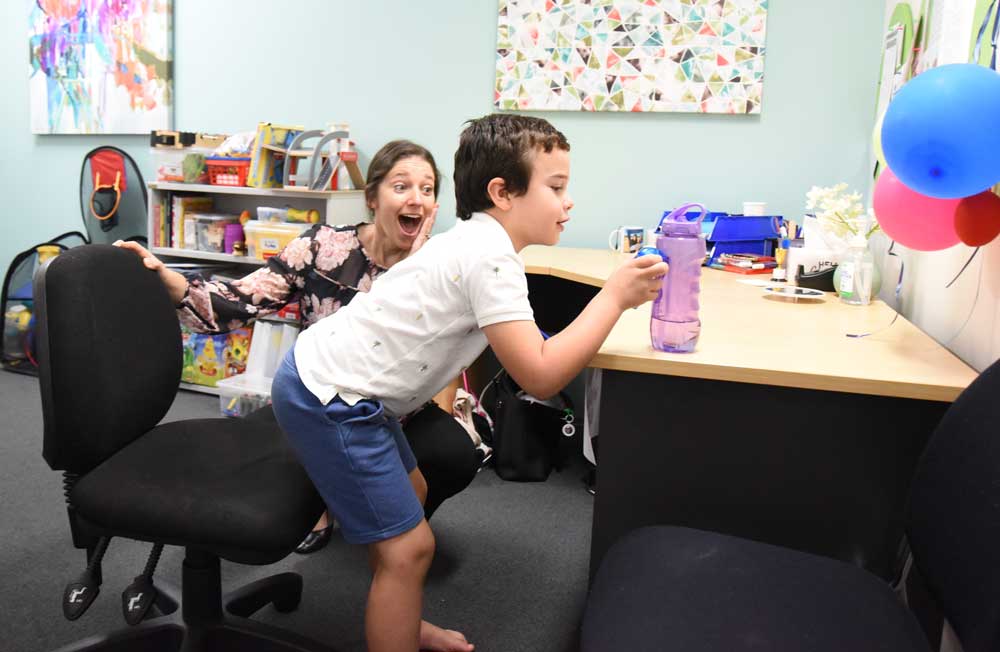
When you follow a child’s lead in play, you establish yourself as a true play partner. You are no longer the director of play but a partner that responds to the child’s interests and offers ideas respectfully. When this happens, it allows for an authentic relationship built on connection rather than compliance. Trust is the foundation for working with most neurodivergent children. When we establish trust, we will see genuine back and forth communication and motivation increases. Child-led play communicates “I see you. Your thoughts and ideas are valuable”.
Child-led play is significant in speech therapy for several reasons:
 |
|
Should you always use Child-Led play? No – there is a time and a place for adult directed play, although we should always be considering a child’s sensory preferences and interests.
Practical strategies for integrating child-led play into your speech therapy sessions:
- Obser
 ve and notice what the child is interested in. Before jumping into structured tasks or goals, take time to watch what the child gravitates toward. What toys do they reach for? How do they interact with them? Observation gives you valuable insight into their interests, preferred play style, and potential communication strengths.
 - Consider the child’s sensory preferences. Some children seek movement, others avoid noise, textures, or visual input. Being mindful of these preferences helps you offer activities and materials that support regulation rather than overwhelm. This can be as simple as providing a quiet corner, access to fidget tools, or time for movement between seated activities.
- Provide space to move. Play doesn’t have to happen at a table. Many children communicate more freely when they can move their bodies. Allowing for movement—whether it’s jumping, spinning, or crawling through a tunnel— can open up more spontaneous interaction.
- Don’t sabotage or withhold items. Traditional approaches sometimes involve holding back toys to “tempt” communication. Instead, aim for collaboration rather than control. When you offer shared enjoyment of toys, you build trust—and that’s when true interaction happens.
- Offer two familiar items and introduce one new toy per session. This strategy strikes a balance between comfort and novelty. Familiar items reduce anxiety and support regulation, while a new item can spark curiosity and introduce new opportunities for engagement and language.
- Honour all types of play. Whether it’s lining up cars, spinning wheels, or scripting from a favourite show—it’s play. When we validate and join in a child’s preferred way of playing, we show them they are seen and accepted. This often leads to more connection, internal motivation and communicative intent.
- Increase declarative statements and reduce directives and questions. Instead of asking constant questions (“What’s that?” “Can you say…?”), try using more comments like, “You’re building a tall tower!” or “That car is going so fast!” Declarative language invites shared attention and joint engagement, and helps create a low-pressure communication space.
- Be okay with silence. Silence allows space for observation, processing, and—importantly—for the child to initiate. It can feel uncomfortable at first, but learning to sit with quiet moments often opens the door to deeper communication.
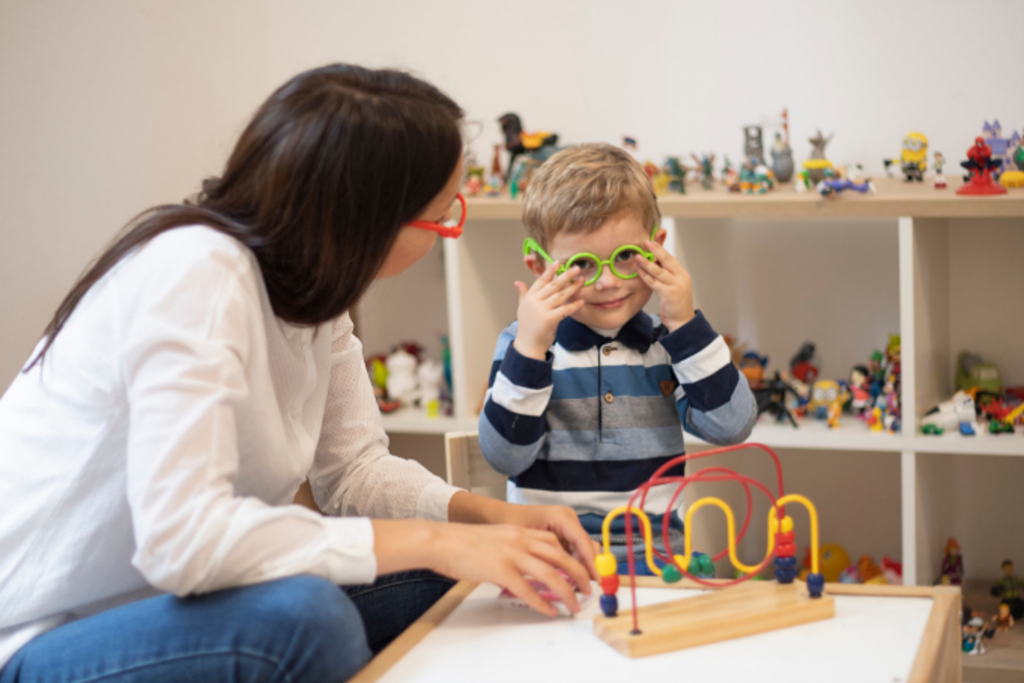 ve and notice what the child is interested in. Before jumping into structured tasks or goals, take time to watch what the child gravitates toward. What toys do they reach for? How do they interact with them? Observation gives you valuable insight into their interests, preferred play style, and potential communication strengths.
Incorporating child-led play into your speech therapy practice can yield remarkable benefits for children’s language development. By embracing this approach, speech pathologists create an environment where children are empowered to communicate, explore, and thrive. Remember to observe, follow, and scaffold the child’s play experiences, ensuring that each session is tailored to their unique needs and interests.
Let’s embark on this journey of discovery and growth, guided by the boundless creativity and wonder of children.
Happy playing and communicating!
Reference: “How to do Child-Led Play” handout, K. Arnold and A. Zachos