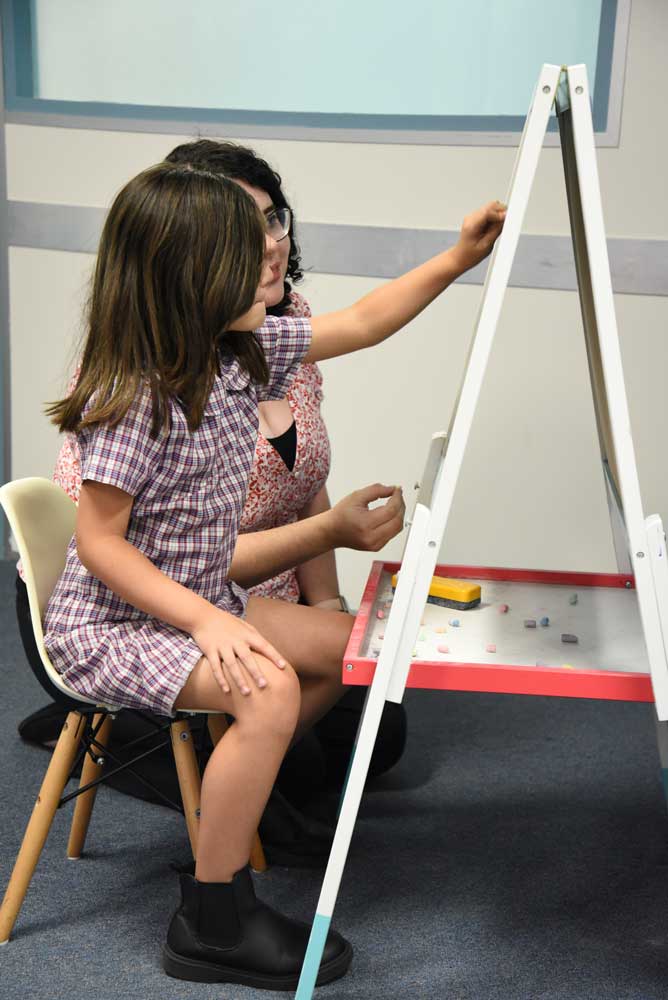
When a child receives a speech-generating device (SGD), it can feel like the solution has arrived. These devices are powerful and often life-changing, but they’re only one part of an effective communication system. A more robust approach is multimodal communication: supporting a child to use a range of methods, including their device, low-tech AAC, and unaided communication like gesture or facial expression.
What is low-tech AAC?
Low-tech AAC includes tools that don’t require batteries or programming. Think:
- Core word boards
- Printed robust systems
- Communication books
- Printed choice boards or visuals
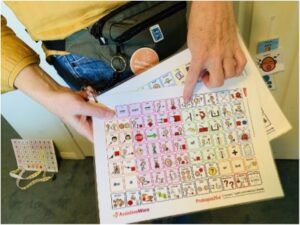
These systems are simple, portable, and always available.
Why low-tech AAC still matters
It’s always accessible
Devices run out of battery, get left behind, or aren’t practical in certain environments. An iPad might not be the most practical choice at the pool where it can get wet, or for a ski holiday where their gloves prevent them from using the screen. Low-tech systems have different strengths and limitations that allow them to work alongside high tech devices.
It can be faster
For quick messages like “stop”, “go”, or “help”, pointing to a core board or using a gesture is often more efficient than navigating through a device. Communication doesn’t always need to be high-tech to be effective.
It supports modelling by others
Communication partners can more easily point to a shared board while they talk. This kind of modelling is critical for learning how language works in AAC.
Why multiple modalities support development
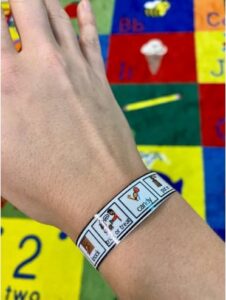
Children don’t benefit from being restricted to one way of communicating. In fact, the opposite is true.
-
Language grows through repetition across contexts
- When a child sees and uses the same words on their device, on a core board, and through gesture, it strengthens understanding and use.
-
Skills generalise more easily
- If communication is tied to one tool, it can break down when that tool isn’t available. Multiple modalities support flexibility.
-
It promotes autonomy
- Different situations call for different methods. A child might gesture in one moment, use a core board in another, and their device for more complex messages. That choice matters.
-
It reduces frustration
- If one method isn’t working, there’s another option. That alone can significantly improve participation and confidence.
A common concern
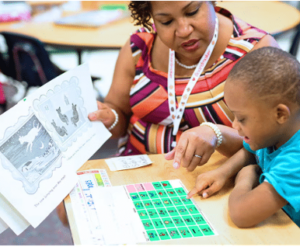
Some families worry that using low-tech AAC will reduce their child’s use of the device. In practice, we see the opposite. When children are supported to communicate in multiple ways, they tend to communicate more often—not less. These systems work together, not in competition.
What this looks like at home
- Keep a core word board in key places (e.g., kitchen, bedroom, in your bag)
- Have multiple backup or alternative options
- Model language across systems—use the device and point to low-tech options
- Aim for consistent vocabulary and symbology across tools where possible
- Respond to all communication attempts, whether it’s a look, gesture, point, or device use
The takeaway
An SGD is an important tool—but it shouldn’t be the only one. The goal isn’t to choose between low-tech and high-tech AAC. It’s to build a flexible system that works anywhere, with anyone, at any time.