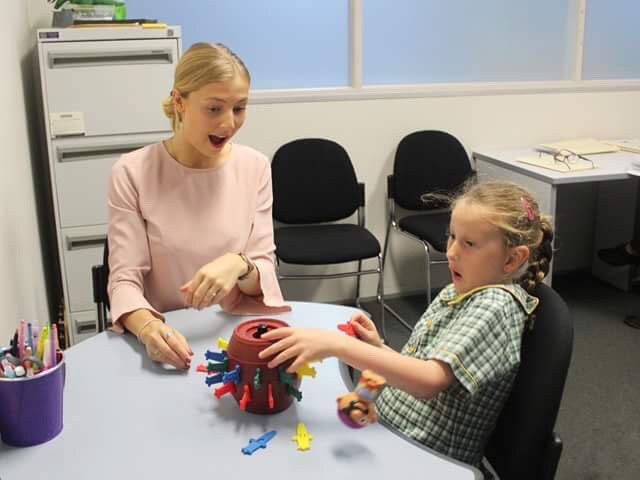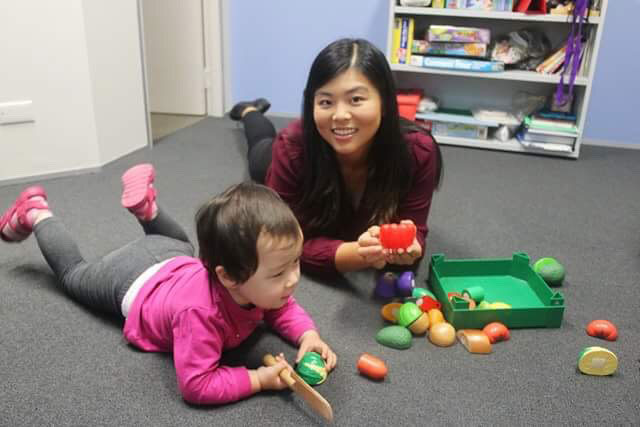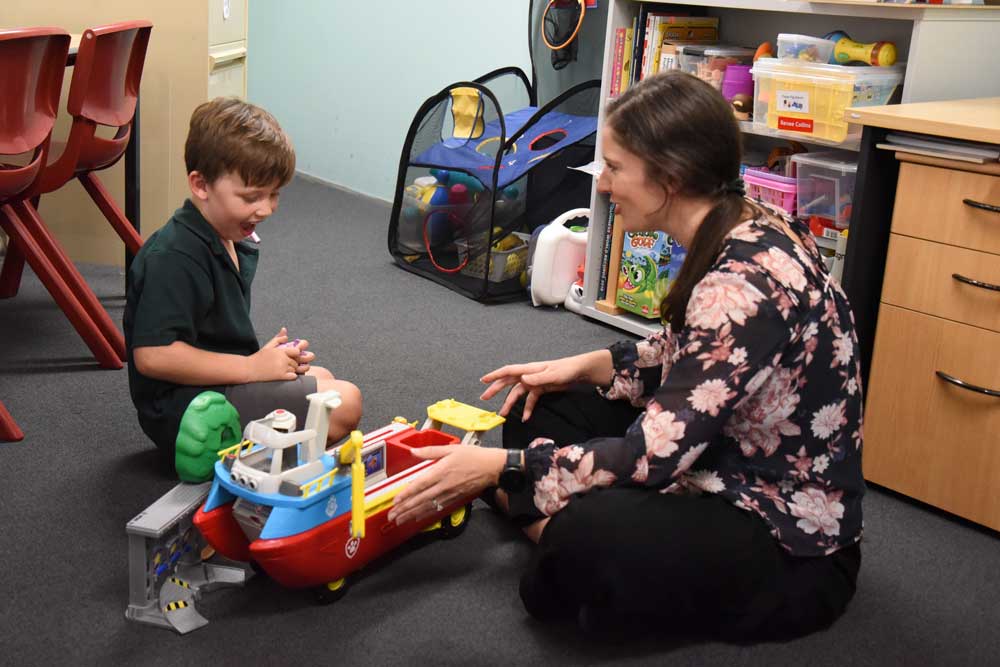
When people think about helping children with speech, they often picture flashcards, drills, or sitting at a table repeating words. But here’s the good news: some of the most powerful ways to support speech development happen in everyday moments — during play, meals, bath time, and even getting dressed.
Wait! But first, what do we Mean by “speech development”?
Speech development refers to how a child learns to produce sounds clearly so others can understand them.
This includes:
- Learning individual sounds (like “b,” “m,” “k,” “s”)
- Putting sounds together into words
- Saying words clearly and accurately
- Being understood by others
Speech development is different from language (which is about understanding and meaning), but the two work closely together.
So what are some things parents can do to support their child at home with their speech development, without sitting at the table and doing boring flashcards?
-
Talking During Everyday Routines
You don’t need special materials — just talk about what’s happening as it happens.
What this looks like:
- While getting dressed:

“Sock on… now your shoe! Push, push!” - At the park:
“You’re going up… up… up the ladder!” - In the car:
“I see a big bus! Beep beep!”
Why it helps:
Children hear clear, simple models of words and sounds in real contexts, which makes them easier to learn and copy.
-
Slowing Down Your Speech
Many adults naturally talk quickly — but slowing down slightly can make a big difference.
What this looks like:
Instead of: “Putyourshoesonwe’regoingnow!”, try: “Put… your… shoes… on.”
Why it helps:
Slower speech makes it easier for children to:
- Hear individual sounds
- Notice how words are formed
- Attempt to copy what you say
-
Repeating and Expanding What Your Child Says
When your child says something, repeat it back and build on it.
What this looks like:
Child: “Car!”
Adult: “Car — yes, a big car!”
Child: “Dog run!”
Adult: “The dog is running!”
Why it helps:
Children hear a clearer, more complete version of what they said, without being corrected directly. This supports both speech clarity and confidence.
-
Using Play Sounds and “Silly” Words
Don’t underestimate the power of fun sounds — they’re often easier than real words!
What this looks like:
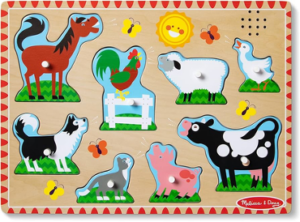
- Animal sounds: “moo,” “baa,” “woof”
- Car sounds: “vroom,” “beep beep”
- Play actions: “uh-oh!”, “whee!”, “pop!”

Why it helps:
These sounds are:
- Simple and repetitive
- Easier to say than longer words
- Highly motivating for children
They give children a low-pressure way to practise making sounds.
-
Creating Opportunities to Communicate
Sometimes, the best thing you can do is pause and wait.
What this looks like:
- Hold a snack but wait expectantly
- Pause before pushing a swing
- Give them a toy that needs help to open
Then wait and see what they do — a look, a sound, a word.
Why it helps:
Children learn that their communication has power. Even small attempts (like “uh!” or “more”) are important steps toward clearer speech.
What is our final takeaway?
You don’t need flashcards, worksheets, or long practice sessions to support speech development.
What matters most is:
- Connection
- Consistency
- Everyday interactions
By talking, playing, and responding in simple, intentional ways, you’re giving your child exactly what they need to build clearer speech — one small moment at a time.