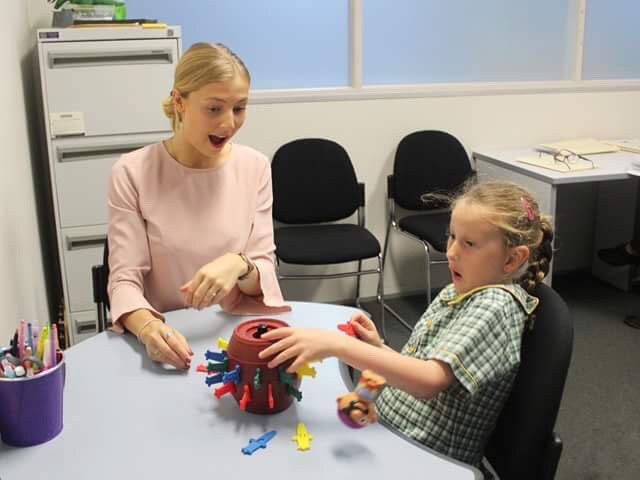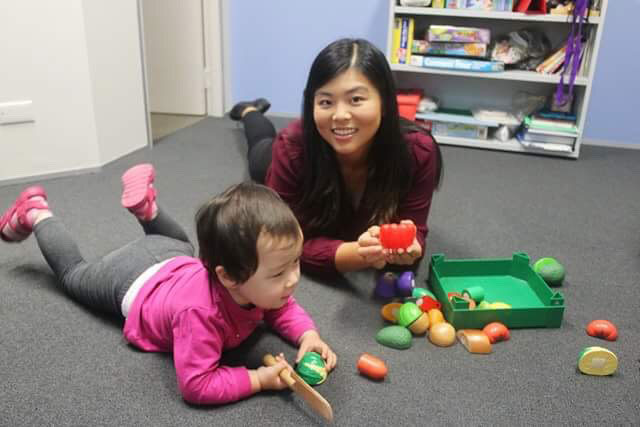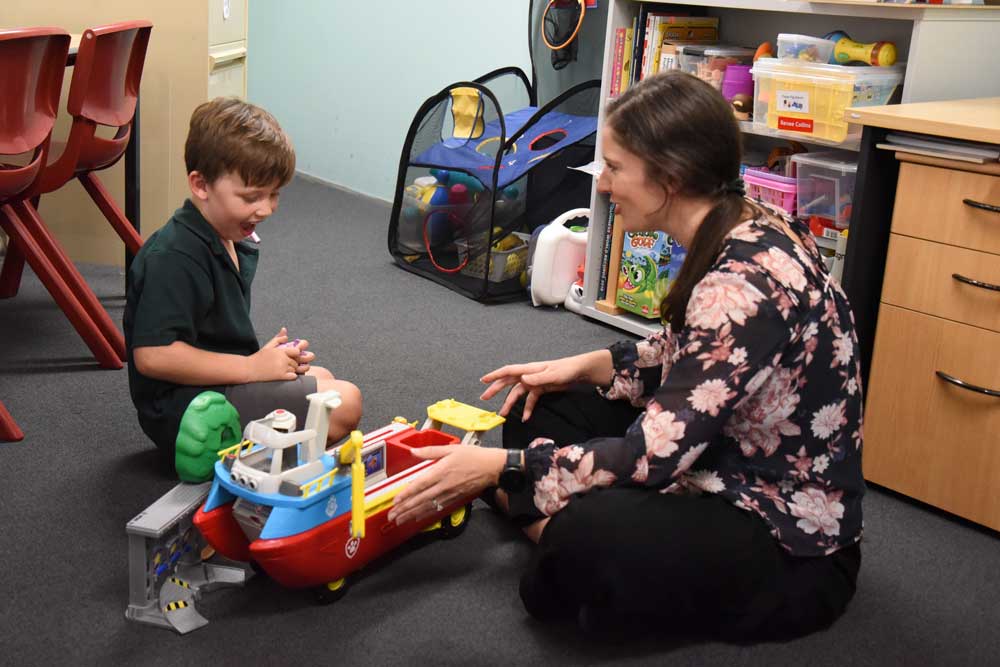
It’s understandable that parents worry introducing Augmentative and Alternative Communication (AAC) – like a speech-generating device, sign system, or picture board – might stop their child from learning to talk. The truth is, it doesn’t.
In fact, research consistently shows that AAC does not delay or prevent speech development – and often helps it grow. Speech Pathology Australia explains that using an AAC system will not stop a child from developing spoken language and can support speech and language development. Likewise, the American Speech-Language-Hearing Association (ASHA) confirms that AAC gives children a voice right now while also supporting their long-term communication and speech outcomes.
Why AAC Helps (Not Hinders) Speech
1. It Reduces Pressure
Many children struggle to get words out when they feel anxious, frustrated, or not understood. AAC gives them another way to communicate – whether that’s pressing a button, pointing to a picture, or using a sign.
When they can get their message across easily, communication becomes positive rather than stressful. Lower stress = more willingness to attempt speech.
2. It Adds More Language Input
When adults use AAC while talking – called modelling – children see and hear the same word at the same time. For example, if a parent says “drink” while pressing “drink” on the device, the child gets double exposure. This helps build vocabulary and understanding faster than speech alone.
3. It Gives Real Communication Practice
Children don’t have to wait until they can talk to take part in communication. AAC lets them request, comment, ask and respond straight away – and these meaningful interactions are what drive language and speech development.
What It Looks Like in Everyday Life
Here are some easy ways to make AAC part of daily routines:
- Snack time: Say and model “more” or “apple” on the device. When your child presses the word, respond warmly – “More apple! Yum!” This pairs the word, action and meaning.
- Playtime: While racing cars, model “go fast” or “my turn” on the device and aloud. Celebrate any vocal attempts.
- Getting dressed: Use the device to show “put on” or “ready”. Repeat the words as you help with each step.
- Frustration moments: Teach useful words like “stop”, “help” or “no”. These reduce tantrums by giving children control – which supports calmer communication and more chances for speech.

Supporting Speech and AAC Together
Speech and AAC don’t compete – they work best together. Try to:
- Model on the device and speak at the same time.
- Respond to every communication attempt, whether it’s a sound, gesture or button press.
- Use AAC throughout the day, not just during therapy.
- Work with your speech pathologist to combine speech and AAC goals.
The Takeaway
AAC doesn’t take speech away – it builds a bridge to it. It gives children a reliable way to connect, reduces frustration, and provides the foundation for spoken language to grow. For many families, AAC isn’t the end of speech – it’s the beginning of communication that truly works.